Full Breakdown of Bathroom Renovation Costs in Richmond, British Columbia
Renovating a bathroom is one of the most rewarding improvements you can make in your home. In Richmond, British Columbia, homeowners are motivated by a blend of practicality and pride.
A refreshed bath adds comfort and efficiency while boosting property value in a competitive real‑estate market. Before selecting tiles or fixtures, it pays to understand how much a project is likely to cost and what drives those costs. This guide explains realistic price ranges and the local factors that shape bathroom renovation budgets in Richmond. Along the way, you’ll find tips tailored to the city’s climate, housing stock and permitting rules, plus guidance on working with trusted local contractors.
Typical Bathroom Renovation Budgets in Richmond
Bathroom renovations range from simple facelifts to complete transformations. The figures below represent general market ranges for the Richmond area. Actual costs will vary with square footage, material choices and project complexity, but they provide a reasonable starting point for planning:
A full bathroom remodel in Richmond, BC typically ranges from $10,000 to over $30,000, depending on the scope and finishes. The remodel process involves visualizing, planning, and executing updates to improve both functionality and aesthetics.
Powder room updates (20–30 sq ft): CAD $8,000 – $15,000. These small rooms usually involve replacing a vanity, toilet and fixtures, with modest tile work and painting.
Standard main bathroom (40–60 sq ft): CAD $15,000 – $30,000. A full renovation in a typical family bathroom includes demolition, new plumbing fixtures, cabinets, counters and flooring. Layout changes or mid‑range finishes push costs toward the upper end of the range.
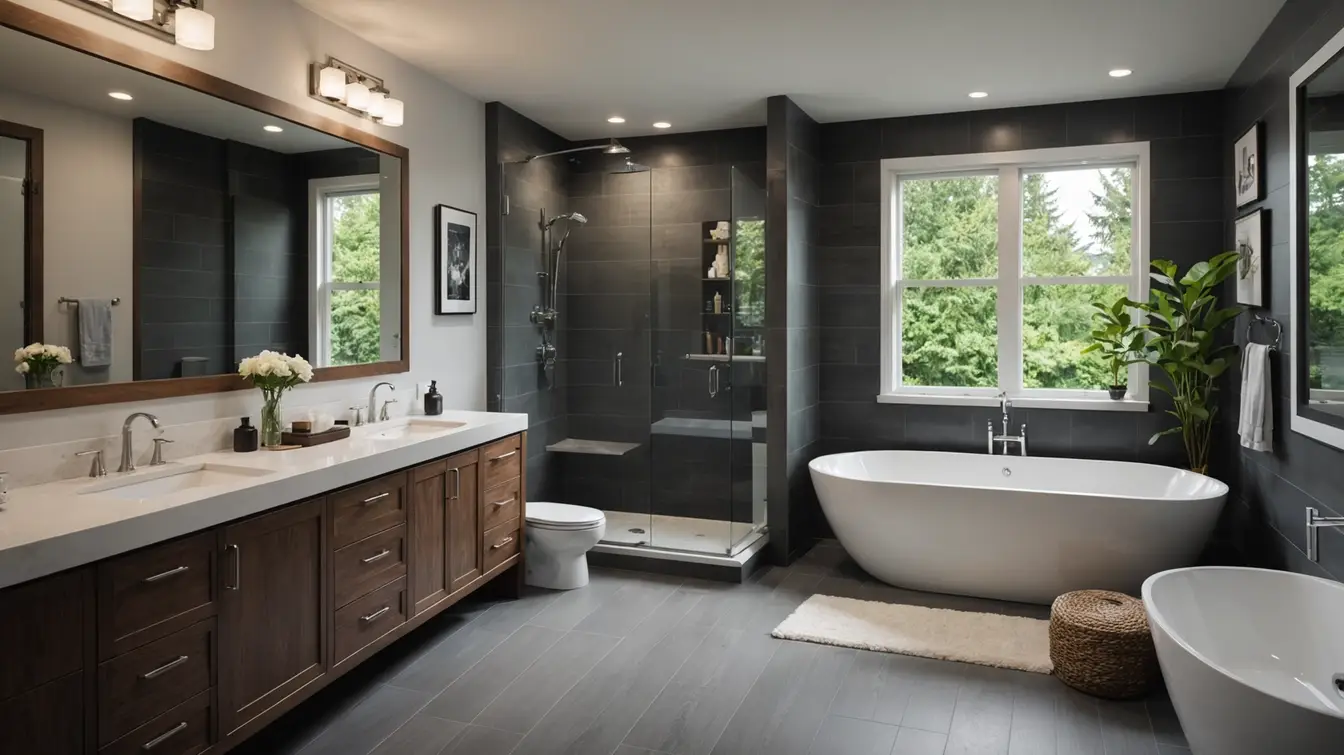
Master ensuite or luxury bathroom (80 sq ft or more): CAD $30,000 – $60,000+. Larger bathrooms with dual vanities, custom showers, separate soaking tubs and premium finishes command higher budgets. Smart technology, heated floors and designer fixtures can add significantly to the investment.
Accessibility modifications: CAD $12,000 – $25,000. Converting a bathroom for aging‑in‑place often involves widening doorways, installing a curbless shower, grab bars and non‑slip flooring. These projects may overlap with other categories depending on scope.
To give you a clearer break of typical bathroom renovation expenses in Richmond, here’s a cost breakdown: labor usually accounts for 40–65% of the total budget, materials (such as tiles, fixtures, and cabinetry) make up 25–40%, permits and inspections are typically 2–5%, and specific tasks like demolition, plumbing, electrical, and tiling are itemized separately. For example, demolition can cost $1,000–$2,500, plumbing $1,500–$4,000, electrical $1,000–$2,500, and tiling $2,000–$5,000, depending on the size and complexity of the project.
For a cosmetic refresh or small bathroom update in Richmond, expect costs between $3,000 and $10,000, with most cosmetic bathroom updates typically ranging from $3,500 to $6,500. Mid-level bathroom renovations usually fall between $12,000 and $21,000, while major bathroom renovations can cost $28,000 to $48,000. Major luxury bathroom renovations frequently exceed $48,000 in Richmond. Building a new bathroom in Richmond typically costs between $22,000 and $35,000, depending on finishes and complexity.
Labor and skilled trades often comprise the largest expense in a renovation budget, typically accounting for 40–65% of the total cost. Larger bathrooms require more materials and labor hours, which increases the overall budget. Toilets in Richmond can cost between $480 and $941, while vanities and sinks range from $450 to $1,652.
These ranges include labour, materials, basic permit fees and a contingency allowance. They do not cover major structural alterations, such as relocating load‑bearing walls or adding square footage, which can dramatically increase costs.
Key Factors Influencing Renovation Costs
Size and Scope of the Renovation
The square footage of a bathroom is the single biggest cost driver. A powder room requires fewer materials and less labour than a full ensuite. Beyond size, scope refers to how much work is involved:
Cosmetic refresh: Updating paint, lighting and accessories with minimal plumbing changes keeps costs lower.
Moderate renovation: Replacing the tub or shower, installing new flooring and updating fixtures falls in the mid‑range. Layout stays mostly intact.
Full gut: Stripping the room to studs and starting fresh adds demolition, plumbing rough‑ins and electrical work. This level of renovation costs more but offers complete design freedom.
Material Selections and Finish Levels
Materials account for a significant portion of any renovation budget. In Richmond you’ll find everything from affordable porcelain tiles and laminate counters to marble slabs and custom millwork. Here’s how finish levels can affect pricing:
Budget: Prefabricated vanities, ceramic tile and laminate or solid‑surface counters are cost‑effective and durable. Installing new tile is a common and cost-effective way to update the look and durability of a bathroom during renovation, especially in older Richmond homes. They keep a renovation within a moderate price range.
Mid‑range: Quartz countertops, porcelain or natural stone tiles, frameless glass shower doors and semi‑custom cabinets add refinement without straying into luxury pricing.
High‑end: Natural stone slabs, designer faucets, custom cabinetry, radiant floor heating and smart features deliver a luxurious spa experience. Expect material costs to rise sharply at this level.
Local Labour Rates
Richmond’s proximity to Vancouver means tradespeople command competitive wages. General contractors typically charge between $80 and $120 per hour, while specialized trades like plumbers and electricians often bill $100 to $150 per hour. Tile setters, carpenters and painters may charge by the square foot or hour depending on the task. Labour can account for 45–55 % of your total budget, so selecting an experienced contractor with efficient project management is essential.
Permit and Inspection Requirements
The City of Richmond requires permits for any alteration that affects the structure, plumbing, gas or electrical systems. Bathroom projects usually need both a building permit and separate plumbing and gas permits if fixtures are moved or replaced. Fees are based on the value of construction and include a plan‑processing charge. Plan ahead for inspection visits—rough‑in inspections for framing, plumbing and electrical are typically scheduled before walls are closed, followed by a final inspection for occupancy. Failure to obtain the proper permits can result in penalties and delays.
Structural or Mechanical Upgrades
Older homes in neighbourhoods like Steveston, Seafair, Broadmoor, Thompson/Blundell and Burkeville often conceal surprises behind the walls. You may discover galvanized plumbing that needs replacing, outdated electrical wiring, asbestos in old vinyl flooring or insufficient ventilation. Richmond’s high water table and floodplain location mean many houses require robust moisture management, including vapour barriers and proper drainage. Budget 10–25 % for contingencies to cover these hidden issues.
Regional and Neighbourhood‑Specific Factors
Local conditions can influence design choices and cost:
Climate: Richmond’s marine climate brings wet winters and humid summers. As part of British Columbia’s climate, the region experiences significant variation due to the province’s diverse geographical features, with Richmond generally having milder and wetter conditions compared to the interior or northern areas. In January, Richmond typically sees mild winter temperatures and frequent rainfall, which is normal for this coastal city and should be considered when planning bathroom renovations. Proper waterproofing, insulation and ventilation are critical to prevent mould and moisture damage. Moisture control is a top priority for Richmond homeowners during bathroom renovations, as bathrooms often face challenges such as high humidity and hard-water spots. Installing a humidity-sensing fan can help manage moisture levels, and choosing mildew-resistant drywall is recommended to withstand humidity.
Flood construction levels: Many properties sit at or below sea level. Renovations may need elevated fixtures or materials resistant to occasional flooding in areas near the Fraser River, such as Hamilton and East Richmond.
Richmond homeowners often opt for durable materials to reduce maintenance in their bathrooms, and adding a transom window can improve ventilation. Richmond’s bathroom renovations often include features that enhance comfort and durability.
Cultural preferences: Richmond’s diverse community influences style choices. Homeowners may favour clean, contemporary lines, traditional elegance, or Asian‑inspired design motifs. Tailoring materials and layouts to suit personal taste is part of the budgeting process.
Local Considerations for Richmond Homeowners
Renovating in Richmond involves more than choosing fixtures:
Understand strata rules: If you live in a condo or townhouse, review bylaws and obtain written approval before starting work. Many strata councils restrict when contractors can operate and require proof of insurance.
Select moisture‑resistant finishes: Given the city’s damp climate and high water table, use waterproof membranes, cement backer board and exhaust fans to protect walls and subfloors.
Prepare for traffic and logistics: Richmond’s road network can be congested near Bridgeport and Ironwood during peak hours. Schedule deliveries and trades around traffic to reduce delays.
Check for rebates: Utility providers occasionally offer incentives for installing low‑flow toilets, water‑saving faucets and energy‑efficient lighting. These rebates can offset a portion of your costs.
Engage professionals: Hiring a contractor familiar with Richmond’s building codes and neighbourhood nuances ensures your project meets local standards and passes inspections the first time.
Estimating Your Renovation Budget
Setting a realistic budget is critical to a successful project. Follow these steps:
Define your goals. Decide whether you’re after a simple refresh, a functional upgrade or a high‑end oasis. Your goals will shape every design and cost decision.
Measure your space. Accurate dimensions help contractors provide precise estimates and minimize waste.
Choose a finish level. Select materials and fixtures that balance aesthetics, durability and cost.
Allow for permits and professional services. Factor in fees for design drawings, engineering reviews and permit applications. Professionals often charge a percentage of the total project value for project management.
Set aside contingency funds. Allocate at least 15 % of your budget for unforeseen issues. Older Richmond homes may require structural reinforcement, moisture remediation or system upgrades once walls are opened.
Compare quotes. Obtain detailed written estimates from at least two or three reputable contractors. This helps you understand market rates and ensures all bids cover the same scope of work.
Renovating Older Bathrooms in Richmond
Renovating older bathrooms in Richmond, British Columbia, presents a unique set of opportunities and challenges shaped by the province’s distinctive climate, geography, and cultural influences. Situated on the southeastern tip of Vancouver Island and nestled within the coastal region, Richmond experiences a mild, temperate climate with significant rainfall throughout the year. This proximity to the Pacific means that bathrooms in the area must be designed to withstand persistent humidity and moisture, making the selection of materials and fixtures especially important.
Richmond’s natural environment is notable—about two thirds of British Columbia’s land area is forested, with several species of trees such as white spruce contributing to the region’s rich biodiversity. This diversity often inspires design choices that echo the local landscape.
When updating an older bathroom, homeowners should begin with a thorough assessment of the existing plumbing fixtures, tile, and overall condition of the space. Many older homes in Richmond feature original plumbing that may not meet current standards or efficiency expectations. Upgrading to modern, water-efficient fixtures—such as low-flow toilets and showerheads—not only reduces water consumption but also aligns with the city’s commitment to sustainability.
The influence of the surrounding mountain ranges and the natural beauty of Vancouver Island often inspires homeowners to incorporate earthy tones and natural materials into their bathroom renovations. Elements like stone tile, wood accents, and large windows that connect the space to the outdoors are popular choices, reflecting both the rugged landscape and the cultural appreciation for nature found throughout British Columbia.
Richmond is also home to several historical sites that reflect its development and growth, providing context for renovation projects in older neighborhoods and connecting modern updates to the area’s heritage.
Given the high humidity typical of the coastal region, it’s essential to prioritize moisture-resistant materials and robust ventilation systems. Proper waterproofing behind tile, the use of cement backer board, and the installation of high-quality exhaust fans help protect against mold and water damage—common concerns in Richmond’s climate.
Finally, working with experienced contractors who understand the nuances of Richmond’s building codes, climate, and cultural context is crucial. These professionals can recommend the best plumbing solutions, select appropriate fixtures, and ensure that your new bathroom not only looks beautiful but also stands up to the demands of British Columbia’s environment.
Planning Tips for a Successful Bathroom Renovation
To keep your renovation on track and on budget, consider the following advice:
Plan in advance: Start the design process early, especially if custom cabinetry or special‑order fixtures are involved. Lead times for materials can be several weeks.
Prioritize quality over trendiness: Classic designs and durable materials hold their appeal longer than fads and can enhance resale value.
Invest in infrastructure: Spend money on proper plumbing, wiring, waterproofing and ventilation. These components are hard to change later and protect your investment.
Think about accessibility: Even if you don’t need grab bars or a barrier‑free shower now, designing with accessibility in mind can add long‑term value and comfort.
Schedule wisely: Contractors are busier during spring and summer. Booking work in late autumn or winter may yield better availability and pricing.
Communicate regularly: Maintain open lines of communication with your contractor. Weekly check‑ins help resolve issues quickly and avoid misunderstandings.
Obtain multiple estimates: One of the key benefits of getting at least three detailed estimates from local contractors is that it helps you compare pricing, services, and timelines, ensuring you receive accurate quotes and the best value for your renovation.
Budget for hidden costs: Remember to include hidden costs such as permits and inspections in your renovation budget, as these are often required in Richmond and can impact your overall expenses.
Bathroom Renovation Mistakes to Avoid
Embarking on a bathroom renovation in Richmond, British Columbia, can be an exciting project, but it’s important to steer clear of common mistakes that can lead to unnecessary costs, delays, and long-term issues. One of the most frequent missteps is failing to develop a comprehensive plan before starting work. Without a clear budget, timeline, and scope, homeowners may encounter unexpected expenses, especially when it comes to plumbing fixtures, tile selection, and the overall design of the space.
Another critical error is overlooking the importance of moisture control. British Columbia’s coastal region, including Richmond, is known for its high humidity and frequent rainfall, which can quickly lead to mold, mildew, and water damage if not properly managed. Choosing moisture-resistant materials—such as waterproof membranes, mold-resistant paint, and durable tile—is essential. Equally important is ensuring that the bathroom is equipped with a high-quality exhaust fan and proper ventilation to keep the space dry and healthy.
In the northern interior of British Columbia, where temperature swings between hot summers and cold winters are common, additional considerations come into play. Homeowners should think about adding insulation, as well as heating and cooling solutions, to maintain comfort and protect the integrity of the bathroom year-round.
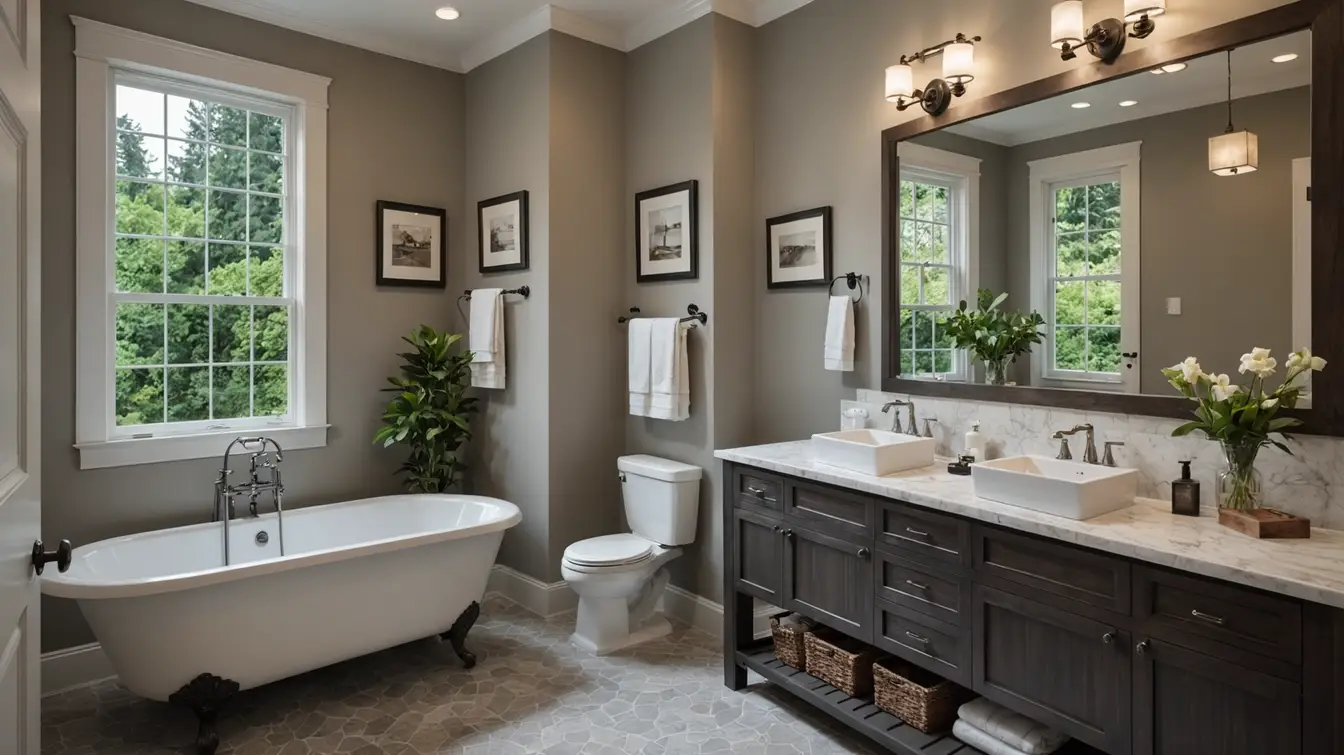
Design choices in Richmond are often influenced by the province’s rich history of European settlement and diverse cultural heritage. While it’s tempting to incorporate traditional elements like claw-foot tubs or ornate tile work, it’s important to balance these features with modern functionality and durability. Avoiding the use of outdated or incompatible fixtures can save on future repair costs and ensure your bathroom remains both stylish and practical.
Ultimately, the best way to avoid renovation pitfalls is to work with experienced contractors who understand the unique demands of Richmond’s climate, building codes, and cultural landscape. By planning carefully, selecting the right materials, and relying on local expertise, homeowners can create a bathroom that is both beautiful and built to last in British Columbia’s dynamic environment.
Respecting Indigenous Peoples’ Interests
British Columbia is renowned not only for its breathtaking mountain ranges, pristine lakes, and diverse climate, but also for its rich tapestry of Indigenous cultures. With over 200 First Nations communities spread across the province—from the northern interior to the southeastern tip of Vancouver Island—Indigenous Peoples have shaped the land, culture, and history of British Columbia in profound ways. In recent years, the government of British Columbia has made significant strides toward reconciliation, working alongside Indigenous communities to address land use, economic development, and cultural preservation.
When planning a new bathroom or undertaking a remodel in British Columbia, it’s essential for homeowners and contractors to approach each project with respect for Indigenous Peoples’ interests. This means considering not only the practical aspects of plumbing, tile, and fixtures, but also the cultural and environmental context of the space. For example, in southeastern British Columbia, collaboration with local First Nations may influence the choice of sustainable plumbing fixtures or the integration of traditional design elements that reflect the area’s unique heritage.
The province’s cultural influences, shaped by both European settlement and Indigenous traditions, are visible in everything from art and architecture to eco-friendly building practices. In the northern interior, cities like Prince George celebrate Indigenous artistry and craftsmanship, inspiring homeowners to incorporate locally made fixtures or natural materials into their bathroom renovations. Meanwhile, the coastal region and Vancouver Island’s southeastern tip present their own challenges and opportunities, with a climate that demands careful attention to moisture management and environmentally conscious construction.
Sustainability is a growing priority in British Columbia’s bathroom renovation industry. Many homeowners now opt for low-flow plumbing fixtures, recycled tile, and energy-efficient lighting—choices that not only reduce the environmental footprint of a project but also align with Indigenous values of stewardship and respect for the land. By working with contractors who understand these priorities and sourcing materials from companies committed to sustainable practices, homeowners can ensure their new bathroom is both beautiful and responsible.
Respecting Indigenous interests also means being mindful of the land on which a house is built. Whether you’re renovating a bathroom in a bustling city like Vancouver or a quiet lakeside community, it’s important to acknowledge the traditional territories of local First Nations and consider how your project fits into the broader community and environment. This might involve consulting with Indigenous groups, supporting local artisans, or simply choosing materials and designs that honor the natural beauty and cultural heritage of the province.
Ultimately, thoughtful bathroom renovations in British Columbia go beyond cost and aesthetics—they reflect a commitment to community, sustainability, and respect for the province’s diverse history. By embracing these values, homeowners and contractors can help build a more inclusive and sustainable future, ensuring that every new bathroom or remodel is a positive contribution to the world-renowned beauty and cultural richness of British Columbia.
Why Choose 4 Local Homes?
trusted renovation contractor serving Richmond and the Lower Mainland. The company specializes in complete bathroom, kitchen and full‑home renovations, offering design‑build services under one roof. Homeowners appreciate their commitment to craftsmanship, adherence to local building codes and transparent project management. With an experienced team of licensed trades, 4 Local Homes coordinates every aspect of your renovation—permit applications, demolition, plumbing, electrical, tile work and finishing—so you can focus on enjoying the result.
For more information about their services and portfolio, visit 4 Local Homes. If you’re considering a bathroom renovation in Richmond or North Vancouver, their team can assess your space, provide design ideas and deliver a detailed estimate tailored to your needs. They pride themselves on clear communication, reliable timelines and quality workmanship.
Ready to take the next step? Contact 4 Local Homes to discuss your project and receive a personalized quote.
Frequently Asked Questions
1. What is the average cost to renovate a bathroom in Richmond?
A bathroom renovation in Richmond, BC can vary widely in cost depending on the scope of the project. For a cosmetic refresh or small bathroom update, expect to pay between $3,000 and $10,000, with most cosmetic bathroom updates typically costing between $3,500 and $6,500. Mid-level bathroom renovations in Richmond usually range from $12,000 to $21,000. Major bathroom renovations can cost between $28,000 and $48,000, while major luxury bathroom remodels frequently exceed $48,000. A full bathroom remodel in Richmond, BC, typically ranges from $10,000 to over $30,000. If you are building a new bathroom, costs generally fall between $22,000 and $35,000, depending on finishes and complexity. For specific fixtures, toilets in Richmond can cost between $480 and $941, and vanities and sinks range from $450 to $1,652.
When planning your bathroom remodel, consider your design goals, budget, and the level of renovation needed to improve both functionality and aesthetics.
2. How long does a bathroom renovation take?
Most bathroom projects in Richmond take four to eight weeks from demolition to final inspection. Timing depends on the scope of work, material lead times and permit processing. Complex projects with custom features or structural changes may extend to ten weeks or more.
3. Do I need a permit for a bathroom renovation?
Yes. Any renovation involving structural changes, plumbing, electrical or gas work requires permits from the City of Richmond. This includes replacing a tub with a shower, moving a toilet or altering walls. Your contractor will usually handle permit applications and schedule inspections.
4. How can I reduce renovation costs without sacrificing quality?
Focus on durable yet cost‑effective materials, such as porcelain tile and solid‑surface counters; refinish existing elements when possible; keep the existing layout to avoid moving plumbing; and shop sales for fixtures. Work with an experienced contractor who can recommend value‑driven solutions.
Homeowners in Richmond should obtain at least three detailed estimates from local contractors for accurate quotes—the benefits include comparing pricing, understanding the scope of work, and ensuring you get the best value for your renovation. Also, remember to include hidden costs for permits and inspections in your renovation budget to avoid unexpected expenses.
5. Are bathroom renovations a good investment in Richmond?
Yes. Updated bathrooms are highly sought after by buyers in Richmond’s competitive housing market and can yield a strong return on investment. A well-executed mid-range bathroom remodel may offer a 70–75% ROI, increasing home resale value by 5–10%. Beyond resale value, a functional and attractive bathroom enhances daily living.
6. What common surprises might increase my budget?
Older Richmond homes sometimes hide outdated plumbing, electrical systems, water damage or asbestos in old finishes. Discovering these issues during demolition can add 10–25 % to your budget. Including a contingency fund helps you manage such surprises.
7. Can I live in my home during a bathroom renovation?
It’s usually possible to stay at home during a single‑bathroom renovation if you have another bathroom available. Expect noise, dust and limited access to plumbing while work is underway. If your home has only one bathroom, arrange for alternative facilities during the construction period.
8. Should I hire a designer or architect?
For minor updates, a skilled contractor can help with layout and material selections. If you’re altering the footprint, moving walls or aiming for a high‑end custom look, engaging a designer or architect provides professional guidance and helps avoid costly mistakes.
9. What finishes are popular in Richmond bathrooms?
Homeowners in Richmond favour a mix of classic and contemporary styles. Neutral palettes, quartz or stone countertops, frameless glass showers, large‑format tiles and shaker‑style cabinetry are common choices. Many homeowners also incorporate Asian‑inspired elements or modern fixtures with smart technology.
10. Are there rebates for installing water‑saving fixtures?
Utility providers occasionally offer rebates for low‑flow toilets, high‑efficiency shower heads and LED lighting. Check with BC Hydro and Metro Vancouver for current programs before purchasing fixtures.
11. How do strata rules affect my renovation?
If you live in a condominium or townhouse, strata bylaws may dictate construction hours, soundproofing requirements and approved materials. Obtain written permission before starting work and provide your contractor’s insurance details to the strata council.
12. Why choose a local contractor instead of doing the work myself?
Professional contractors understand Richmond’s building codes, climate considerations and permit processes. They coordinate licensed trades, ensure work meets inspection standards and carry insurance to protect you from liability. DIY work may save money up front but can lead to costly issues if mistakes are made.
Final Thoughts
A well‑planned bathroom renovation not only enhances your comfort but also adds long‑term value to your Richmond home. By understanding the typical cost ranges and the factors that influence them, you can develop a realistic budget and make informed decisions. Remember to account for permits, local conditions and potential surprises in older homes. Whether you live in a heritage house or a modern condo, a thoughtful approach will yield a beautiful, functional space that suits your lifestyle. For professional guidance and quality craftsmanship, reach out to 4 Local Homes and start planning your dream bathroom today.