Introduction
If you are researching costs, this Renovation Guide Vancouver can help you start your planning. A bathroom renovation in Vancouver typically costs between $25,000 and $50,000 for a mid-range full bathroom renovation, with construction taking 4-8 weeks once permits are secured. That’s the direct answer most homeowners searching for bathroom renovation costs need before diving deeper.
This guide covers everything Vancouver homeowners need to know about renovating a condo bathroom or house bathroom: realistic cost breakdowns by renovation type, the step-by-step process from demolition to final inspection, permit requirements and strata rules, contractor selection criteria, and how to avoid the costly mistakes that derail renovation projects in Metro Vancouver. Whether you’re updating a small powder room or planning a complete master bathroom transformation with a walk in shower and heated floor, this content addresses the specific challenges of renovating in Vancouver’s climate and regulatory environment.
What you’ll learn from this guide:
- Accurate bathroom renovation costs for Vancouver in 2026, broken down by scope and location
- How to navigate City of Vancouver permits and strata approval processes
- The complete renovation process from demolition through tile installation to fixture installation
- How to choose between design-build firms and general contractors
- Red flags that indicate an unreliable contractor and how to protect your investment
Understanding Bathroom Renovation Costs in Vancouver
Bathroom renovation costs in Vancouver run 20-40% higher than the Canadian average due to elevated trade labour rates, material transportation costs, and the complexity of building code compliance. Understanding these costs upfront prevents budget surprises and helps you plan a renovation project that delivers the beautiful bathroom you want without financial strain.
Cost Ranges by Renovation Type
A cosmetic refresh involving paint, new fixtures, replacing fixtures like faucets and lighting, and minor updates to bathroom floors typically costs $8,000-$20,000. This scope keeps the existing layout intact and avoids plumbing relocation or electrical upgrades beyond basic replacements.
Mid-range full bathroom renovations cost $25,000-$40,000 in Metro Vancouver for a standard 40-50 square foot bathroom. This includes a full gut job with new tile work on floors and shower walls, mid-grade plumbing fixtures, a new vanity, toilet replacement, proper waterproofing, and updated electrical work including GFCI protection. Moving plumbing lines or changing the bathroom layout pushes costs toward the higher end.
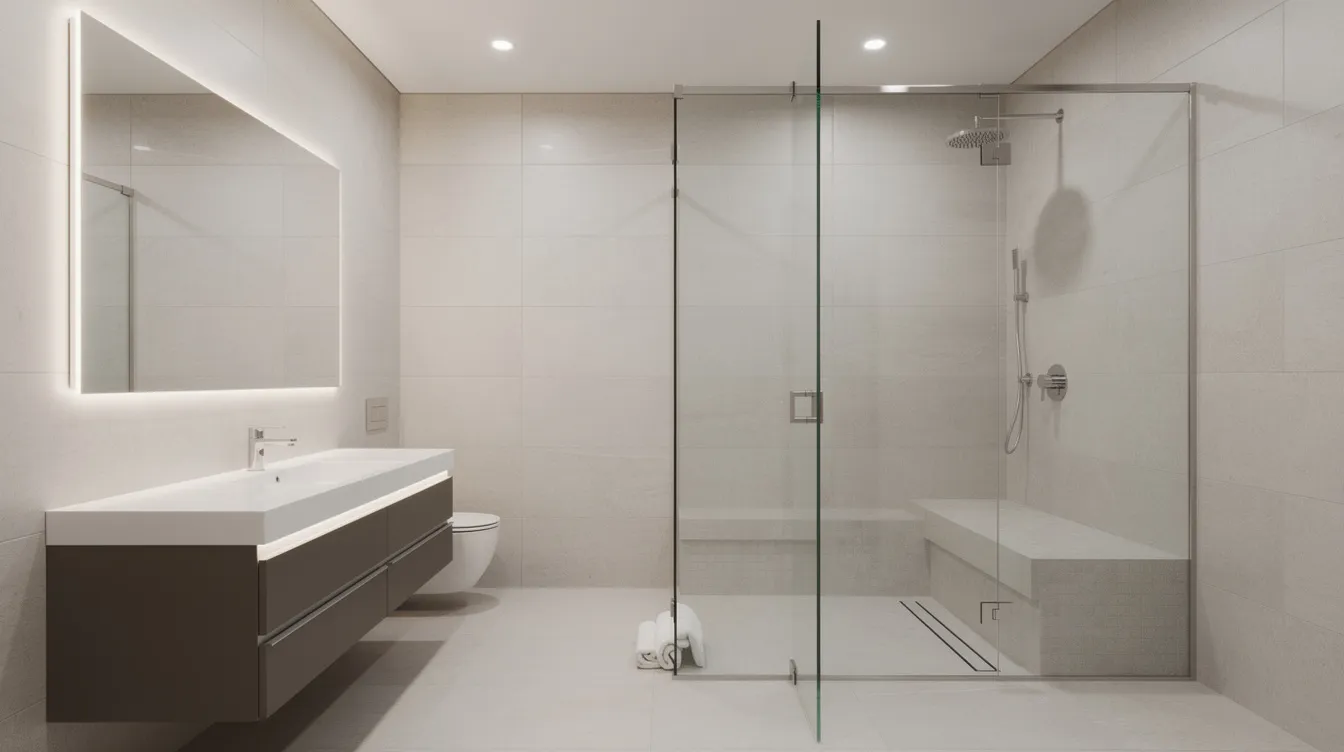
High-end luxury bathroom renovations with premium materials, layout changes, custom cabinetry, large-format porcelain tile, a frameless glass enclosure for a walk in shower, and features like heated floors and a linear drain typically cost $40,000-$65,000+. In nearby markets, specialists in Burnaby bathroom renovations report similar budget ranges when projects include major layout changes and premium finishes. A full remodel with a double vanity, soaker tub, and custom vanities can exceed $75,000 depending on material selections and structural complexity.
The biggest cost driver in any renovation is scope—specifically whether you’re keeping the existing fixtures in place or moving plumbing and electrical.
Condo vs House Cost Differences
Condo bathroom renovations in Vancouver carry additional costs that house renovations don’t face. Strata approval fees range from $200-$1,000 depending on the building’s bylaws. Elevator booking adds scheduling constraints and sometimes fees. Working hours are typically restricted to weekdays 8am-5pm, extending timelines. Concrete cutting for plumbing changes requires specialized equipment and often structural engineering approval.
Condo renovations also face shared plumbing stack limitations—you can’t always move a toilet or shower drain where you’d like because of how the building’s plumbing was designed. This constraint is particularly relevant in older buildings where the bathroom layout may feel like wasted space but can’t be easily reconfigured.
House renovations offer more flexibility with plumbing changes and structural modifications. Access is easier, there’s no elevator coordination, and working hours aren’t restricted by strata bylaws. Homeowners planning whole-house renovation projects should evaluate electrical, plumbing, and structural systems at the same time to avoid repeated disruption. However, older houses in North Vancouver and other areas often hide moisture damage, mold, or outdated wiring behind walls, which can add 10-20% to renovation costs once demolition reveals the true conditions. In these cases, working with North Vancouver house renovation experts who are familiar with aging building stock and local codes can help manage risks and budgets.
Vancouver Labor and Hidden Costs
Labour comprises roughly 40-50% of total bathroom renovation costs in Vancouver. Current trade rates:
- Licensed plumbers: $110-$145/hour for regular work
- Electricians: $95-$130/hour
- Tile setters: $60-$90/hour for standard ceramic tile; $90-$120/hour for large-format porcelain or complex patterns
Hidden costs catch many homeowners off guard:
- Asbestos removal in pre-1980 homes: $2,000-$8,000+ depending on extent
- Mold remediation: $1,500-$5,000 for localized areas behind showers
- Subfloor leveling: $500-$2,000 to create a proper base for new flooring
- Permit fees: $300-$1,500 for building permits; additional fees for plumbing and electrical permits
- Structural reinforcement: $1,000-$3,000 if floor joists are damaged
North Vancouver and other North Shore locations face higher moisture exposure due to rainfall and humidity, making proper ventilation and waterproofing even more critical. Working with North Vancouver bathroom remodeling specialists who understand local moisture challenges can help prevent future issues. Budget surprises from moisture damage and mold behind existing fixtures are particularly common in these areas.
Budget a 15-20% contingency for unexpected issues. This isn’t optional in Vancouver—it’s essential for successful renovations in older building stock.
Vancouver Bathroom Renovation Process Step-by-Step
The renovation process follows a specific sequence that can’t be shortcut without compromising quality. Understanding each phase helps you communicate with your contractor and recognize when work is being done properly.
Phase 1: Demolition and Assessment
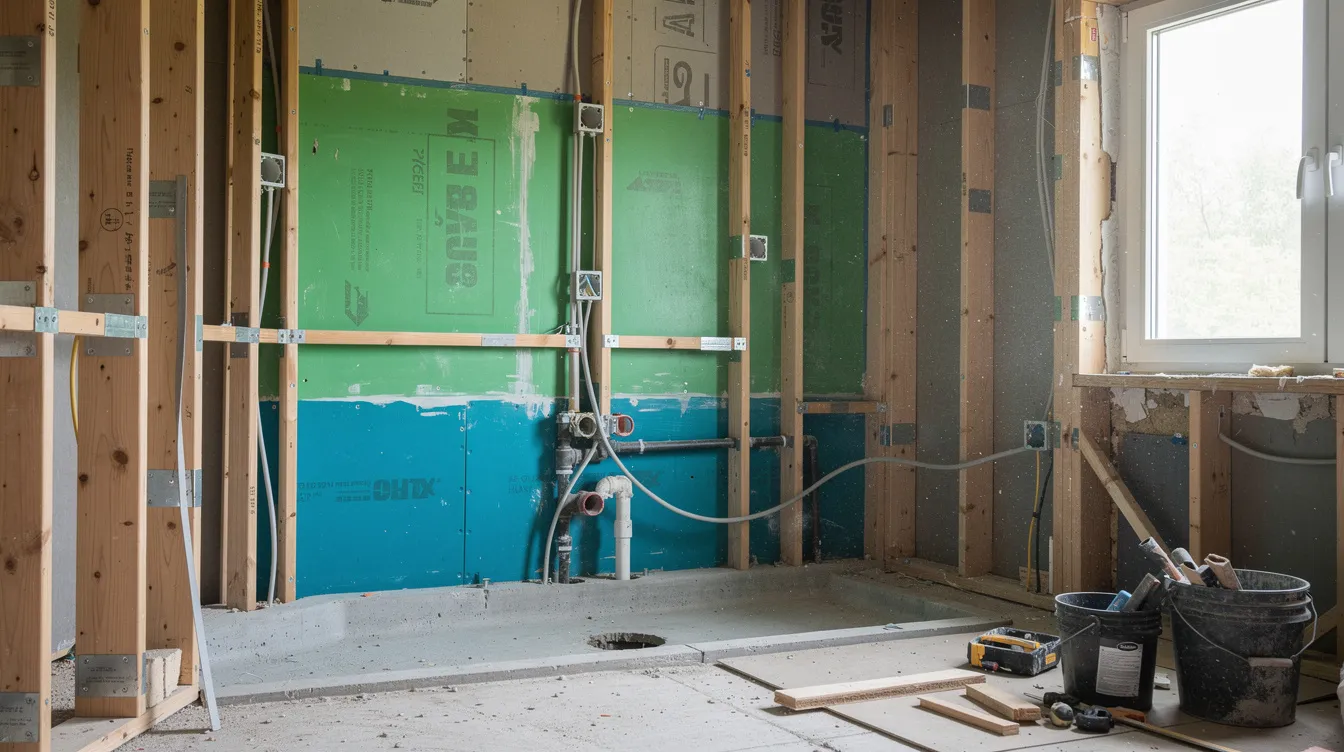
Demolition begins once permits are secured and materials are ordered. The whole bathroom gets stripped to studs and subfloor, revealing what’s actually behind the walls and under the bathroom floors.
This phase regularly uncovers issues in Vancouver homes:
- Water damage and rot around shower stalls and tub areas from failed waterproofing
- Mold growth behind tile and drywall, especially in bathrooms with poor lighting and ventilation
- Asbestos in floor tiles, adhesives, or ceiling textures in pre-1980 construction
Proper assessment at this stage determines whether the original budget and timeline remain realistic. An experienced contractor documents findings and presents options before proceeding with rough-in work.
Phase 2: Rough-in Work
Plumbing rough-in involves installing new plumbing lines for relocated fixtures, replacing corroded pipes, and ensuring proper drainage slope. If you’re adding a second bathroom or changing from a shower stall to a walk in shower with a linear drain, significant plumbing changes happen here. Plumbing relocation costs $2,000-$5,000 in houses; $5,000-$12,000+ in condos due to concrete cutting and stack access limitations.
Electrical rough-in includes running circuits for new fixtures, installing GFCI protection (required by building codes), adding circuits for heated floor systems, and ensuring proper ventilation requirements are met with adequate fan capacity. Electrical upgrades for a master bathroom with heated floors and multiple circuits typically add $1,500-$3,500.
Framing adjustments happen now—creating shower niches, adding blocking for grab bars and shower fixtures, reinforcing walls for floating vanities or a double vanity, and ensuring walls are plumb and square for tile installation.
City of Vancouver inspections occur at rough-in stage before walls are closed up.
Phase 3: Waterproofing and Tiling
Waterproofing is where many bathroom renovations either succeed or eventually fail. The Schluter waterproofing system has become the Vancouver standard because it addresses the moisture challenges of our climate. Schluter-KERDI membrane creates a complete waterproof barrier behind tile in wet areas, while Schluter-DITRA provides crack isolation and waterproofing for bathroom floors.
Tile installation follows waterproofing. For homeowners planning a focused shower remodel in Burnaby, careful attention to waterproofing, slope, and tile selection is essential. Material selection affects both cost and longevity:
- Ceramic tile: $4-$8/sq ft supply; adequate for floors and dry areas
- Porcelain tile: $8-$18/sq ft supply; lower water absorption, better for showers
- Large-format porcelain: $12-$30/sq ft supply; requires perfectly level substrate and skilled installation
- Natural stone: $25-$60/sq ft supply; requires sealing and ongoing maintenance
Proper grout selection and sealing matters significantly in Vancouver’s humid climate. Epoxy grout resists moisture and staining better than cement-based grout, particularly important for shower floors and walls and for any shower renovation work in Burnaby where long-term durability is a priority.
Timeline and Inspection Stages
A typical mid range remodel takes 4-6 weeks of construction once materials arrive and permits are approved. Add 4-6 weeks for planning, design selections, permitting, and material ordering before construction begins.
Inspection checkpoints:
- Rough-in inspection (plumbing, electrical, framing) before closing walls
- Final inspection after fixtures are installed and bathroom is operational
Condo renovations add timeline:
- Strata approval process: 4-8 weeks before construction begins
- Working hour restrictions: weekdays only, limited hours
- Elevator booking: coordinates material delivery and debris removal
A full gut job in a condo realistically takes 8-12 weeks from application to final cleanup.
Permits, Strata Rules and Contractor Selection in Vancouver
Vancouver’s approval process for bathroom renovations involves both city permits and, for condos, strata approval. Skipping either creates significant legal and financial risk.
When Permits Are Required
Required permits for bathroom renovation in Vancouver:
- Plumbing permits for moving fixtures, new connections, pipe replacements, or changes to drainage
- Electrical permits for new circuits, panel upgrades, GFCI installation, or adding heated floor systems
- Building permits for structural changes including wall removal, floor reinforcement, or modifications affecting fire separation
- Mechanical permits for new ventilation ductwork or exhaust fan installations venting to exterior
A cosmetic refresh that keeps existing plumbing and electrical in place typically doesn’t require permits. But most full bathroom renovations involve changes that trigger permit requirements.
As of 2025, Vancouver requires all permit applications through the ePlan portal, with enhanced requirements for seismic compliance and accessibility standards when certain thresholds are met.
Strata Approval Process for Condos
Most strata bylaws require written council approval before any renovation or alteration inside a strata lot. This applies to condo renovations even when city permits aren’t required.
Typical strata requirements:
- Application form with detailed scope description
- Architectural drawings showing proposed changes
- Proof of contractor insurance and WorkSafeBC registration
- City permit confirmation (many stratas require permits before approving)
- Deposit for potential common property damage
Working restrictions:
- Hours: typically 8am-5pm weekdays only
- Noise restrictions: no high-impact work during certain periods
- Elevator booking: required for material delivery and debris removal
- Notice to neighbours: often required before construction begins
Submit strata applications 6-8 weeks before your planned start date. Approval delays are a common source of timeline extensions.
Contractor Selection Criteria
|
Criteria |
Design-Build Firms | General Contractors |
|---|---|---|
| Project Management | Single point of contact | Coordinate multiple trades |
| Design Services | In-house design team | May need a separate designer |
| Pricing Structure | Fixed price packages | Cost-plus or fixed bid |
| Timeline | Streamlined process | Potentially longer coordination |
| Best For | Complex renovations, full remodels | Simple updates, budget constraints |
| Design-build firms handle everything from bathroom design through final fixture installation with a single contract and point of responsibility. This approach reduces coordination burden for the homeowner and works well for full bathroom renovations with layout changes or high-end finishes. |
Hiring separate trades (general contractor coordinating plumber, electrician, tile installer) can cost less for straightforward projects where the existing layout stays intact. However, coordination responsibility shifts to either the general contractor or homeowner.
Regardless of approach, verify:
- Trade licenses: Plumbers and electricians must be licensed in BC
- WorkSafeBC registration: Request clearance letter confirming good standing
- Liability insurance: Minimum $2 million coverage
- References: Photos and contacts for similar Vancouver projects
- Written contract: Detailed scope, timeline, payment schedule, warranty terms
Common Challenges and Solutions
Vancouver bathroom renovations face specific challenges that require proper planning and experienced contractors to address effectively, especially when you need comprehensive bathroom renovation services that go beyond cosmetic updates and address underlying structural issues.
Moisture and Mold Issues
Solution: Install a complete Schluter waterproofing system in all wet areas and ensure the exhaust fan vents directly to the exterior—not into an attic or crawl space. Many older Vancouver bathrooms have fans that vent into unconditioned spaces, contributing to moisture problems. Proper ventilation is a code requirement and critical for preventing future mold growth.
Strata Approval Delays
Solution: Submit strata applications 6-8 weeks before your planned construction start date. Include detailed drawings showing fixture locations, materials, and contractor insurance documentation. Don’t schedule contractors until strata approval is confirmed in writing.
Unexpected Structural Issues
Solution: Budget 15-20% contingency, particularly for older Vancouver homes where moisture damage behind existing fixtures is common. Hire contractors experienced with heritage buildings and expect the unexpected during demolition. An experienced contractor will pause and present options rather than proceeding past problems.
Contractor Red Flags
Solution: Avoid quotes significantly below market rate—a full bathroom renovation quoted at $15,000 when typical costs are $25,000-$40,000 indicates missing scope, corner-cutting, or inexperience. Verify WorkSafeBC coverage, trade licenses, and insurance before signing contracts. Get detailed written scope including waterproofing system specifications. Contractors who can’t explain their waterproofing approach or dismiss permit requirements should be avoided.
Real Vancouver Bathroom Renovation Case Study
Project: 45 square foot condo bathroom in Yaletown, 1990s construction
Before conditions: Original builder-grade fixtures, poor ventilation with fan venting into common ceiling space, ceramic tile showing grout failure, visible water damage behind the shower stall
Budget: $38,000 including contingency
Timeline: 6 weeks construction (plus 5 weeks for strata approval and permits)
Challenges encountered:
- Asbestos in original floor tile adhesive requiring licensed abatement ($2,800)
- Uneven concrete subfloor requiring leveling compound ($1,200)
- Strata approval delay of 3 weeks beyond initial estimate
- Discovery of mold behind shower requiring remediation ($1,800)
Solutions implemented:
- Complete Schluter-KERDI waterproofing system throughout wet areas
- Heated floor system with programmable thermostat
- New exhaust fan with exterior vent ductwork through strata common area
- Large-format porcelain tile with minimal grout lines for clean lines
- Walk in shower with linear drain and frameless glass enclosure
- Floating vanity maximizing floor space
Final results: Modern spa-like bathroom with proper ventilation requirements met, complete waterproofing, and design elements that increased the condo’s market value by approximately $15,000 according to the owner’s realtor.
Cost breakdown:
- Labour: 45% ($17,100)
- Materials (tile, fixtures, vanity, glass): 35% ($13,300)
- Permits and strata fees: 8% ($3,040)
- Contingency used (asbestos, mold, leveling): 12% ($4,560)
The contingency budget covered all unexpected issues without requiring additional funds.
Conclusion and Next Steps
Successful bathroom renovations in Vancouver require proper planning, qualified contractors, and a realistic understanding of local requirements. The process is more complex than many homeowners expect—permits, strata rules, hidden conditions, and Vancouver’s elevated trade costs all factor into both timeline and budget.
Immediate steps to move forward:
- Get 3 detailed quotes from licensed contractors including scope breakdown, timeline, and waterproofing system specifications
- Apply for permits and strata approval early—this process takes 4-8 weeks and controls when construction begins
- Budget 20% contingency for unexpected issues, particularly in pre-1990 buildings
Related considerations: Mid-range bathroom renovations in Vancouver typically deliver 65-75% ROI at resale, making them a reasonable investment for homeowners planning to sell within 5-7 years. Buyers in Vancouver expect modern fixtures, proper ventilation, and quality tile work—addressing these elements improves both daily use and market appeal.
Frequently Asked Questions
How much does a bathroom renovation cost in Vancouver?
Mid-range full bathroom renovations cost $25,000-$40,000 for a standard 40-50 square foot bathroom. Luxury renovations with premium materials and layout changes run $40,000-$65,000+. Cosmetic refreshes keeping existing fixtures in place cost $8,000-$20,000.
Do I need strata approval for condo bathroom renovation?
Yes, most strata bylaws require written council approval before any renovation beyond purely cosmetic updates. Submit applications 6-8 weeks before planned construction.
What permits are required in Vancouver?
Permits are required for plumbing changes, electrical work, structural modifications, and ventilation upgrades. Cosmetic-only updates typically don’t require permits.
How long does the renovation process take?
Plan for 4-6 weeks of construction plus 4-6 weeks for permits, design, and material ordering. Condo renovations add 4-8 weeks for strata approval.
What’s the best waterproofing system for Vancouver?
The Schluter system (KERDI membrane for walls, DITRA for floors) has become the Vancouver standard for shower and wet area waterproofing.
Should I hire design-build or separate contractors?
Design-build firms work best for complex full remodels with layout changes. Separate trades may cost less for straightforward renovations keeping the existing layout.
What’s the ROI on bathroom renovations in Vancouver?
Expect 65-75% cost recovery on mid-range renovations at resale, with well-executed projects in desirable neighbourhoods sometimes achieving higher returns.
How do I avoid contractor scams?
Verify trade licensing (plumber, electrician), request WorkSafeBC clearance letters, confirm liability insurance, check references for Vancouver projects, and get detailed written contracts before work begins. Avoid quotes significantly below market rates.