Introduction
If you are planning a bathroom remodel in Vancouver, the most important thing to know before you start is that a successful project depends on planning, not just construction. Before demolition begins, you should understand your budget, layout options, material choices, permit requirements, strata rules, waterproofing, ventilation, timeline, and contractor process. Starting a bathroom renovation in Vancouver requires careful planning – and this guide answers the most common questions Vancouver homeowners ask when they are preparing for a bathroom renovation.
A bathroom renovation is not only about choosing floor tile and plumbing fixtures. It involves electrical work, moisture protection, demolition, trade scheduling, building access, possible permits, and proper planning before work begins. Many homeowners underestimate how detail-sensitive these projects are, especially in Vancouver, where coastal humidity, older building stock, and condo strata rules add layers of complexity that do not exist in other markets.
Before starting a bathroom renovation in Vancouver, you should know that success depends on proper planning, realistic budgeting, permit compliance, strata approval if applicable, and selecting experienced contractors who understand local codes and building requirements.
This guide – developed by 4 Local Homes, a Vancouver bathroom renovation company – covers 50 essential questions organized across planning, budgeting, contractor selection, permits, condo and strata requirements, design, waterproofing, ventilation, and materials. By the end, you will have:
A comprehensive understanding of the bathroom renovation planning process
Accurate budgeting strategies specific to the Metro Vancouver market
Clear guidance on permit and strata navigation
Contractor selection criteria and red flag awareness
Common mistake prevention strategies that protect your investment

Starting the Bathroom Renovation Planning Process
Proper planning and budgeting are essential before starting a renovation project in Vancouver, especially when you are considering a full bathroom renovation in Vancouver. The first step is defining the project’s scope and budget – and understanding how Vancouver-specific factors like climate, building age, and strata bylaws influence every decision from layout to materials.
I’m planning a bathroom renovation in Vancouver. What should I know before I start?
Answer: You should know that a bathroom renovation in Vancouver involves much more than selecting a new vanity and wall tile. Vancouver’s wet coastal climate makes proper waterproofing and proper ventilation non-negotiable. Older homes in neighbourhoods like Shaughnessy, Kitsilano, and Kerrisdale often conceal outdated plumbing, outdated wiring, or insufficient waterproofing behind finished surfaces – issues that only emerge during demolition. If you own a condo in Yaletown, Coal Harbour, or the West End, strata rules may restrict what you can change, when you can work, and how your contractor accesses the building. Before anything else, define your renovation goals, establish a realistic budget, understand your existing layout and building conditions, and research permit requirements.
How 4 Local Homes Handles This: 4 Local Homes begins every bathroom project with a detailed scope review. Before recommending any design or providing pricing, the team evaluates the existing bathroom conditions, discusses the homeowner’s goals, reviews building-specific requirements, and outlines the full planning process so there are no surprises once the bath renovation work begins.
How do I know if I need a full bathroom renovation or just a simple bathroom update?
Answer: A cosmetic update typically includes painting, replacing existing fixtures in the same location, swapping out a new vanity or mirror, and possibly refreshing tile. Cosmetic updates typically range from $8,000 to $20,000 and generally do not require permits. A full bathroom renovation – sometimes called a gut renovation – involves demolition to studs, relocating or upgrading plumbing and electrical, new waterproofing, and possibly structural changes. Full renovation costs are significantly higher and involve permits, longer timelines, and greater complexity. If your bathroom has moisture damage, outdated plumbing, poor ventilation, or a layout that does not work for your household, a full renovation is likely the better investment.
How 4 Local Homes Handles This: During the initial consultation, 4 Local Homes assesses the condition of existing plumbing, electrical, waterproofing, and framing to help homeowners determine whether a cosmetic refresh will meet their needs or whether a full renovation is the more responsible path. This honest assessment prevents homeowners from investing in surface-level work that hides deeper problems.
What should I decide before I contact a bathroom renovation contractor?
Answer: Before reaching out to a general contractor or renovation company, you should clarify several things. Define whether your renovation goals prioritize comfort, resale value, or long-term function. Establish budget tiers – basic, mid range, and premium – with reference to Vancouver cost data. Gather design inspiration including styles, natural materials, and bathroom layout ideas. Understand your existing conditions: plumbing stack locations, electrical panel capacity, floor and wall substrates, and any history of moisture or water damage. If you own a condo or townhouse, review your strata bylaws. Decide on your timeline and whether you can live through the renovation or need temporary relocation.
How 4 Local Homes Handles This: 4 Local Homes provides a consultation preparation framework so homeowners arrive at the first meeting with clarity on their priorities, budget expectations, and questions. This makes the initial scope discussion more productive and ensures the project moves forward with shared understanding.
How do I create a realistic bathroom renovation plan before demolition begins?
Answer: Demolition typically begins once permits are secured and materials ordered – but a significant amount of planning must happen before that point. Complete all the details of your design and material selections before demolition: tile choices, plumbing fixtures, glass enclosure type, cabinetry, lighting, and shower head style. Finalize your bathroom layout, confirm plumbing and electrical rough-in locations, and order long-lead items such as custom vanities, frameless glass, or specialty tiles. Materials like specialty tiles and custom vanities may have long lead times and should be ordered early. Prepare for underlying issues – when walls come down in older Vancouver homes, you may find mould, rot, deteriorated framing, or previous unpermitted work. Budget contingency accordingly.
How 4 Local Homes Handles This: 4 Local Homes manages the project planning process in defined phases: design and selection, permit and procurement, and then construction. No demolition begins until the scope is confirmed, materials are ordered or received, and the homeowner has approved the full renovation plan. This prevents the costly mid-project delays that happen when selections are made after walls are already open.
What are the biggest mistakes I should avoid when planning a bathroom renovation?
Answer: The most common mistakes Vancouver homeowners make include proceeding before strata approval or bylaw verification, not budgeting enough for hidden issues or scope creep, picking finishes after demolition has started, choosing major layout changes without understanding the cost of moving plumbing, and underestimating how long strata approvals and city permits take. Moving a shower or toilet can add several thousand dollars to the final cost. Changing materials or finishes mid-renovation increases both cost and timeline.
How 4 Local Homes Handles This: 4 Local Homes prevents these mistakes by requiring a complete scope and material selection phase before any renovation work begins. Strata requirements, permit timelines, and material lead times are identified early and built into the project schedule so homeowners can plan ahead without surprises.
Should I renovate my bathroom for comfort, resale value, or long-term function?
Answer: This depends on your situation. Comfort-focused renovations may include heated floors, a soaker tub or freestanding tub, a rain shower head, or premium natural stone finishes – features that improve daily enjoyment but cost more. Resale-oriented renovations should target what local buyers in your neighbourhood and price point expect. In Vancouver neighbourhoods like Yaletown, Kitsilano, and False Creek, buyers often expect watertight glass enclosures, large-format tile, and modern lighting. However, over-upgrading can reduce return – many sources cite 60–70% ROI for standard full bathroom renovations. Long-term function considerations include waterproofing durability, easy maintenance, accessibility features like curbless entry and grab bars, and future adaptability.
How 4 Local Homes Handles This: 4 Local Homes discusses renovation goals with each homeowner during the planning stage and recommends finishes and features that align with the homeowner’s priorities – whether that is daily comfort, resale value, or long-term durability. The team helps balance wants and needs so the significant investment delivers lasting value.
How do I know what bathroom renovation style is right for my home or condo?
Answer: Match the style to your home or building. A heritage home in Shaughnessy or Point Grey might suit classic subway tile or penny tile, while a modern condo in Coal Harbour or False Creek leans toward minimalism and large-format porcelain. Function should guide design: lighting that supports grooming, adequate storage for shared bathrooms, and floor tile material that balances moisture resistance and comfort underfoot. An interior designer can help refine style decisions, but make sure all materials suit Vancouver’s climate – moisture-resistant backer board, corrosion-resistant fixtures, and waterproof sealants are essential.
How 4 Local Homes Handles This: 4 Local Homes guides homeowners through bathroom design decisions with attention to both aesthetics and performance. The team considers building type, neighbourhood context, and Vancouver’s moisture demands when recommending materials and styles, ensuring the finished bathroom looks right and performs well for years.
Should I plan my bathroom renovation around my current layout or start from scratch?
Answer: Keeping the existing layout – same locations for shower, toilet, and vanity – minimizes plumbing work, reduces costs, and often avoids permits. Maintaining the original plumbing layout can reduce renovation costs significantly. Starting from scratch allows you to optimize use of space and pursue a completely new bathroom design, but it raises cost, time, and permit complexity. Moving a toilet or shower waste line triggers a plumbing permit and often involves cutting into concrete slab, which adds substantial labour and expense.
How 4 Local Homes Handles This: 4 Local Homes evaluates both options during the planning phase and presents the cost and timeline implications of each. If the existing layout works well, the team helps homeowners maximize that advantage. If layout changes are worthwhile, 4 Local Homes outlines exactly what is involved so homeowners can make informed decisions about their bathroom project.
Bathroom Renovation Cost and Budget Questions
Understanding bathroom renovation cost is one of the most important parts of proper planning. Vancouver’s renovation costs are 20–40% higher than the Canadian average, driven by high demand for skilled trades, material costs, and the complexity of working in older homes and high-rise buildings across Metro Vancouver.
How much should I budget for a bathroom renovation in Vancouver?
Answer: Mid-range bathroom renovations cost $25,000–$40,000 in Vancouver for a full bathroom in a house using quality materials. Luxury bathroom remodels can exceed $65,000 depending on scope, tile selection, custom vanities, and plumbing relocations. A powder room renovation typically falls between $8,000 and $15,000 for a standard refresh, while statement powder rooms with designer fixtures and tile can reach $22,000 or more. Condo bathroom renovations often range $20,000–$45,000, influenced by strata rules, available space, and plumbing conditions. Labour costs account for 40–60% of total renovation expenses.
How 4 Local Homes Handles This: 4 Local Homes provides realistic budget guidance during the planning stage based on the homeowner’s specific scope, material preferences, and building conditions. Rather than offering a single number, the team outlines what each budget level includes so homeowners understand how much does a bathroom renovation actually cost for their specific situation.
Why do bathroom renovation costs vary so much from one contractor to another?
Answer: Costs vary based on several factors: labour rates for trades (plumbers, electricians, tile installers) in high demand across Vancouver; material selection ranging from standard ceramic to natural stone; scope of work from cosmetic updates to full gut renovations with layout changes; permit and inspection fees; and hidden conditions that only appear after demolition. A quote that includes proper waterproofing, licensed trades, permits, and realistic material allowances will be higher than one that cuts corners.
How 4 Local Homes Handles This: 4 Local Homes uses transparent pricing that clearly breaks down labour, materials, permits, and scope so homeowners can compare quotes on equal terms. The team explains what is included and what is not, helping homeowners recognize why certain quotes seem lower – often because critical items are missing.
What should be included in a proper bathroom renovation quote?
Answer: A proper quote should include: a clear scope listing all items (fixtures, tiles, finishes, layout changes, electrical, plumbing, waterproofing); material allowances with supplier and model information; labour breakdown by trade; permits and inspections if required; protection of common areas for condo renovations; a work schedule with start date, milestones (rough-in, waterproofing, tile installation, finishing), and completion date; a payment schedule; a contingency clause describing how changes or unforeseen discoveries will be handled; and warranty details.
How 4 Local Homes Handles This: 4 Local Homes prepares detailed quotes that cover all the details – scope, materials, labour, timeline, payment milestones, and warranty. Each quote is structured so homeowners understand exactly what they are paying for before any renovation work starts.
What costs are often missing from a bathroom renovation estimate?
Answer: Commonly excluded items include: moving plumbing or drains through concrete slab; waterproofing membranes and shower niches flashing; ventilation upgrades and ducting to exterior; glass enclosures with long lead times; sound insulation requirements for condo floor systems (IIC/STC ratings); common area protection and elevator bookings; debris removal logistics; and permit fees with extra inspection costs.
How 4 Local Homes Handles This: 4 Local Homes includes items that many contractors leave out of initial estimates – waterproofing, ventilation, glass, protection, and permits. This prevents the budget surprises that frustrate homeowners when the final cost exceeds the original quote.
How much extra money should I keep aside for unexpected bathroom renovation costs?
Answer: Budget a 15–20% contingency for unexpected renovation issues. For straightforward projects with a confirmed scope, 10–15% may suffice. For older homes, full renovations, major layout changes, or condos with complex bylaws, 15–20% is more realistic. Older Vancouver homes often reveal hidden moisture damage during renovations – rotted framing, mould, or deteriorated plumbing that must be addressed before the project can continue.
How 4 Local Homes Handles This: 4 Local Homes discusses contingency planning during the budgeting phase and communicates openly if unexpected conditions are discovered. Any changes to scope or cost are documented and approved by the homeowner before additional work proceeds.
How do I know if a bathroom renovation quote is too low?
Answer: Red flags include: a price that seems too low for the described scope, suggesting work is being skipped (such as waterproofing); no inclusion of permits or inspections; missing insurance or WorkSafeBC documentation; material prices that seem unrealistically low; and no written contract. Shopping around for fixtures can lead to significant savings, but an entire project quote that undercuts the market usually means something important is missing.
How 4 Local Homes Handles This: 4 Local Homes educates homeowners on what realistic pricing looks like for their specific scope and helps them understand what a proper bathroom renovation should include. The goal is not to be the cheapest – it is to provide honest pricing that reflects the actual cost of quality work.
Should I choose a fixed-price bathroom renovation quote or a time-and-materials estimate?
Answer: Fixed-price quotes give homeowners cost certainty – the contractor absorbs the risk of overruns unless the scope changes. This works best for projects with a clear scope and finalized material selections. Time-and-materials estimates offer more flexibility but carry the risk of costs creeping if not tightly managed. This structure may be appropriate when the scope is uncertain, such as when hidden damage is expected.
How 4 Local Homes Handles This: 4 Local Homes recommends the pricing structure that best fits each project’s circumstances. For most bathroom renovations with a defined scope and selected materials, the team favours fixed-price quoting with clear change order processes for any adjustments.
What payment schedule should I expect for a bathroom renovation project?
Answer: A typical payment structure includes an initial deposit (often 10–20%), progress payments tied to completed phases (demolition, rough-in, waterproofing and tiling, fixtures and finishing), and a final payment upon completion and walkthrough of deficiencies. Avoid paying large sums upfront before work begins or before materials are on site.
How 4 Local Homes Handles This: 4 Local Homes uses a fair payment schedule tied to project milestones. Payments align with completed work stages, and the final payment is held until the homeowner has reviewed the finished bathroom and any deficiency items are addressed.
Bathroom Renovation Contractor and Company Questions
Choosing the right contractor is one of the most consequential decisions in any renovation project. In Vancouver’s competitive market, the difference between a well-managed bathroom project and a stressful experience often comes down to the contractor’s experience, communication, and professionalism, as well as their renovation company values and background.
How do I choose the right bathroom renovation contractor in Vancouver?
Answer: Look for experience with Vancouver-specific conditions: wet climate, older buildings, strata processes. Review their portfolio for similar projects. Confirm they use licensed trades for plumbing and electrical work. Check for transparent references, clear communication, and the ability to handle permits and strata coordination. Ask for detailed estimates and contract terms before committing.
How 4 Local Homes Handles This: 4 Local Homes demonstrates experience through a portfolio of completed Vancouver bath remodel projects across condos, townhouses, and houses. The team provides clear scope documents, references, and credentials upfront so homeowners can evaluate fit before making a commitment.
How do I know if a bathroom renovation company is properly licensed and insured?
Answer: Confirm the contractor’s municipal business licence, BC Housing licence if required, and WorkSafeBC clearance confirming their workers’ compensation account is in good standing. Verify Commercial General Liability (CGL) insurance coverage – most strata buildings require at least $2 million. Licensed contractors should be able to produce these documents on request.
How 4 Local Homes Handles This: 4 Local Homes maintains current licensing, WorkSafeBC clearance, and liability insurance and provides documentation to homeowners and strata councils as part of every project. Credentials are made available during the consultation process.
Should I ask for WorkSafeBC coverage before hiring a renovation contractor?
Answer: Yes. WorkSafeBC coverage ensures workers are covered if an injury occurs on your property. Without it, financial liability could fall on the homeowner. Any reputable contractor should be able to produce a current WorkSafeBC clearance letter.
How 4 Local Homes Handles This: 4 Local Homes carries WorkSafeBC coverage for all workers on every project and provides clearance documentation as a standard part of project onboarding.
Who will actually manage my bathroom renovation from start to finish?
Answer: Ask who will serve as the project lead. Will there be a dedicated project manager on site? How is day-to-day supervision handled? How is scheduling coordinated among trades? Who oversees plumbing, electrical, and waterproofing inspections? Clear answers to these questions indicate a well-organized contractor.
How 4 Local Homes Handles This: 4 Local Homes assigns a dedicated project manager to each bathroom renovation who coordinates trades, manages scheduling, communicates progress updates to the homeowner, and oversees quality at every stage from demolition through final inspection.
Will the contractor use employees, subcontractors, or licensed trades for my project?
Answer: Many contractors use subcontractors for specialized work. Quality depends on the contractor’s oversight and the subcontractors’ qualifications. Licensed trades for plumbing and electrical work are required by law for many related tasks in BC. Ask how the contractor selects, manages, and supervises their trade partners.
How 4 Local Homes Handles This: 4 Local Homes works with a consistent team of licensed, experienced trades who are familiar with the company’s quality standards and project management process. Trade coordination is handled internally to maintain consistency across all stages of renovation work.
How do I know if the contractor has experience with bathrooms similar to mine?
Answer: Ask for examples of projects with similar size, material level, building type (condo versus house), and scope (layout changes, tub-to-shower conversion, ensuite renovation). Request before-and-after photos, ideally in comparable building types. If you live in a high-rise in Downtown Vancouver, a contractor with single-family-home experience may not understand strata logistics.
How 4 Local Homes Handles This: 4 Local Homes shares relevant project examples matched to the homeowner’s building type, scope, and neighbourhood. Whether it is a condo in Fairview, a townhouse in Mount Pleasant, or a heritage home in Dunbar, the team demonstrates relevant, comparable experience.
Should I ask to see past bathroom renovation projects before making a decision?
Answer: Absolutely. Reviewing completed work – either through photos, in-person visits, or client references – is one of the best ways to evaluate quality. Ask about durability, whether there have been any leaks or moisture issues, whether the project finished on time, and how the final cost compared to the original quote.
How 4 Local Homes Handles This: 4 Local Homes provides a portfolio of completed bathroom renovations and connects prospective clients with past homeowners who can speak to their experience. Seeing real results from real Vancouver projects helps homeowners make confident decisions.
What red flags should I watch for before hiring a bathroom renovation contractor?
Answer: Warning signs include: unusually low quotes, no insurance or permit inclusion, no written contract, verbal-only agreements, no references or portfolio, poor communication, and unfamiliarity with the strata process. A contractor who cannot clearly explain how they handle waterproofing, permits, or trade coordination should raise concerns.
How 4 Local Homes Handles This: 4 Local Homes operates with written contracts, clear scope documentation, transparent pricing, full insurance, and proactive communication. The team welcomes questions and provides detailed answers because professional practices should be visible, not hidden.
Vancouver Permit, Plumbing, and Electrical Questions
In Vancouver, bathroom renovations may require permits for electrical or structural changes. Understanding when permits are needed – and what happens if they are skipped – is essential for protecting your investment and avoiding legal complications.
Do I need a permit for my bathroom renovation in Vancouver?
Answer: The City of Vancouver requires a building permit when work involves installing or moving plumbing, electrical, or gas lines; modifying interior walls; structural changes; or changing a bathroom layout. Cosmetic updates typically do not require permits. Most renovations involving plumbing changes require permits from the City of Vancouver. Vancouver requires all permit applications through the ePlan portal. Permit fees range from $300 to $1,500 in West Vancouver, and fees vary by scope across Metro Vancouver municipalities, including North Vancouver.
How 4 Local Homes Handles This: 4 Local Homes reviews the project scope to determine which permits are needed and helps homeowners understand the process before work begins. Permit requirements are factored into the project timeline and budget from the start.
Who is responsible for handling bathroom renovation permits and inspections?
Answer: The homeowner is ultimately responsible for ensuring required permits are in place. However, many experienced contractors manage preparing and submitting permit applications, coordinating inspections (electrical, plumbing, building), and ensuring the work meets the BC Building Code. For condo renovations, strata may require proof of permits before issuing an Alteration Agreement.
How 4 Local Homes Handles This: 4 Local Homes coordinates the permit application process and schedules required inspections on behalf of the homeowner. The team manages this as part of the overall project so homeowners do not need to navigate the permit system alone.
Do I need a plumbing permit if I move my toilet, shower, bathtub, or vanity?
Answer: In most cases, yes. Permits are required for plumbing and electrical changes. Moving plumbing – relocating a toilet, shower, or tub – involves modifying drain lines, cutting into subfloor or concrete slab, and altering venting. These changes require a plumbing permit and inspection. Installing permits is mandatory for structural or plumbing changes to ensure compliance with local bylaws.
How 4 Local Homes Handles This: 4 Local Homes identifies plumbing permit triggers during the planning phase and coordinates with licensed plumbers to ensure all plumbing changes are permitted, inspected, and code-compliant.
Do I need an electrical permit if I add lighting, heated floors, outlets, or a new fan?
Answer: Electrical permits are typically required for adding new circuits, upgrading or relocating panels, installing new lighting on non-existing circuits, heated floors, exhaust fan upgrades requiring new wiring, or adding electrical outlets. The BC Building Code mandates GFCI protection for electrical outlets in wet locations. These electrical upgrades require permits and professional installation.
How 4 Local Homes Handles This: 4 Local Homes manages electrical permits and coordinates with licensed electricians to ensure all electrical work – from lighting and heated floors to ventilation fans – meets code requirements and passes inspection.
Can I renovate my bathroom without permits if I keep the same layout?
Answer: Some cosmetic or like-for-like renovations may avoid permits – for example, swapping a vanity, changing fixtures, repainting, or replacing cabinets within the same size and location. However, if work extends to plumbing, electrical work, or structural modifications – even within the same layout – permits are typically required. This should be clarified before work begins.
How 4 Local Homes Handles This: 4 Local Homes evaluates each project’s scope to determine whether permits are needed regardless of layout changes. Even when keeping the existing layout, the team confirms whether plumbing, electrical, or structural work triggers permit requirements.
What can happen if my bathroom renovation is done without the required permits?
Answer: Unpermitted work creates legal risks at sale or refinancing, insurance coverage gaps, possible orders to remove or restore work, fines from the city or strata, and potential safety deficiencies. Unpermitted renovations are a significant liability for Vancouver homeowners and can reduce resale value rather than increase it.
How 4 Local Homes Handles This: 4 Local Homes advocates for full permit compliance on every bathroom renovation. The team explains the risks of unpermitted work clearly and ensures that all required permits and inspections are part of the project plan.
Condo and Strata Bathroom Renovation Questions
Vancouver’s condo market is one of the most active in Canada, and condo bathroom renovations come with a distinct set of rules. Strata approvals can add 2–4 weeks to renovation timelines, and building logistics require careful coordination.
Do I need strata approval before renovating my condo bathroom in Vancouver?
Answer: In most cases, yes. BC’s Strata Property Act requires unit owners to seek strata council approval for renovations affecting common or limited common property, structural or shared systems (such as plumbing stacks), building envelope, flooring types, noise, elevators, and building access. Even cosmetic work occasionally needs approval depending on specific bylaws. Condo renovations may require strata approval, adding 2–4 weeks to timelines.
How 4 Local Homes Handles This: 4 Local Homes assists homeowners with strata communication, helps prepare required documentation, and ensures the contractor’s insurance, licensing, and scope materials meet strata requirements. The team factors strata approval timelines into the overall project schedule.
What documents will my strata or building manager usually ask for?
Answer: Strata typically requires: an Alteration or Renovation Agreement form; contractor information including licence, insurance certificate, and WorkSafeBC clearance; scope drawings showing existing versus proposed layout with fixtures, plumbing, and electrical; material and product specifications; a work schedule and noise control plan; and an insurance certificate for damage to common areas, elevator and hallway protection plan.
How 4 Local Homes Handles This: 4 Local Homes prepares the full documentation package for strata submission – scope drawings, insurance certificates, trade credentials, work schedules, and protection plans – so the approval process moves forward without delays caused by incomplete submissions.
How do elevator bookings affect my condo bathroom renovation schedule?
Answer: Many strata require booking elevator usage for material deliveries and debris removal. Some buildings limit elevator access to specific hours, charge fees, and require interior protection (pads, mats). These logistics are often overlooked during planning and can delay material delivery or extend the project timeline if not coordinated in advance.
How 4 Local Homes Handles This: 4 Local Homes coordinates elevator bookings, delivery schedules, and building access as part of the project management process. These logistics are planned before work begins so material deliveries and debris removal happen on schedule without building conflicts.
How will my contractor protect hallways, elevators, and common areas during the renovation?
Answer: Contractors working in condo buildings are required to protect floors and walls of hallways and elevators using runners, mats, and plastic sheeting. Daily cleaning of common paths is expected. Debris removal must be arranged without disturbing common areas or other residents.
How 4 Local Homes Handles This: 4 Local Homes installs comprehensive protection for all common areas before work begins and maintains building cleanliness throughout the renovation. The team treats building relationships as a priority – a clean, respectful work site reflects on both the contractor and the homeowner.
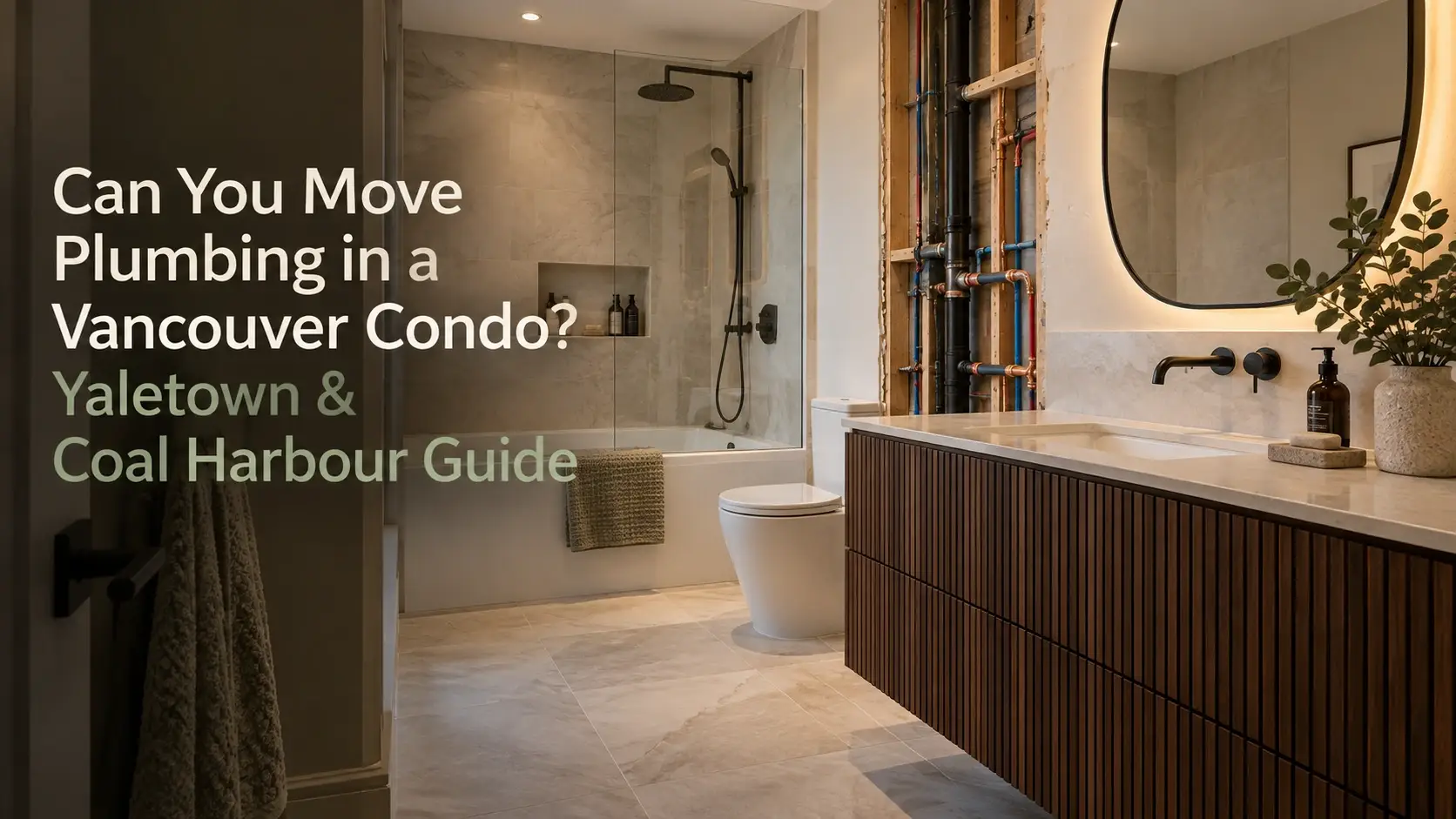
Can I move plumbing in a Vancouver condo bathroom, or am I limited by the building?
Answer: Condo plumbing limitations are real, particularly in buildings across areas like North Vancouver where bathroom remodel projects must account for older structures and shared systems. Wet walls containing plumbing stacks and drain stacks are shared systems. Moving plumbing may affect other units or require engineering review. Some strata forbid moving plumbing beyond certain limits. Drainage slope, slab penetration, and waterproofing around common walls are all areas of concern. Plumbing changes in condos require careful assessment before any commitments are made.
How 4 Local Homes Handles This: 4 Local Homes assesses the building’s plumbing systems and strata limitations during the planning phase. The team identifies what is feasible within the building’s constraints and presents realistic options so homeowners understand their choices before committing to layout changes.
What should I know before converting a bathtub to a walk-in shower in a condo?
Answer: A tub-to-shower conversion in a condo requires verifying the building structure under the tub location, adjusting slope and waterproofing, and possibly relocating plumbing. The work must comply with strata rules regarding waterproofing, noise, and potentially floor loads. Permit and strata approval are typically needed. Curbless showers enhance accessibility and aesthetics but require precise substrate preparation and waterproofing.
How 4 Local Homes Handles This: 4 Local Homes evaluates tub-to-shower conversions by assessing the building structure, drain location, waterproofing requirements, and strata bylaws. The team coordinates the conversion so that it meets code, satisfies strata requirements, and delivers a functional, beautiful walk in shower.
Design, Layout, and Functionality Questions
Design decisions in a bathroom renovation are inseparable from practical Vancouver living considerations – from the size constraints of condo bathrooms to the moisture demands of the coastal climate.
Should I keep my existing bathroom layout or change it?
Answer: Keeping the existing layout saves significant renovation costs – less demolition, minimal plumbing rough-in work, and possible reuse of existing plumbing and wiring. Keeping the existing layout saves significant renovation costs compared to moving fixtures. Changing the layout – moving the toilet, shower, or adding a double vanity – adds cost, time, and may require structural adjustments, permits, and moving walls.
How 4 Local Homes Handles This: 4 Local Homes presents both options with clear cost and timeline comparisons, helping homeowners decide whether the benefits of a new layout justify the additional investment for their specific bathroom.
How much more expensive is it to move a toilet, shower, bathtub, or vanity?
Answer: Moving a toilet or shower drain often involves breaking into the subfloor or concrete slab, altering the plumbing stack, and rerouting venting. A relocation can add CAD $2,000–$8,000 or more depending on distance, complexity, and whether plumbing runs through concrete. Electrical moves are similarly expensive if new circuits are needed. These are among the most impactful layout changes in terms of cost.
How 4 Local Homes Handles This: 4 Local Homes provides specific relocation cost estimates based on the homeowner’s existing conditions during the planning phase. The team ensures that homeowners understand the true cost of major layout changes before renovation plans are finalized.
Should I choose a bathtub, walk-in shower, or tub-to-shower conversion?
Answer: Keeping a tub requires minimal plumbing changes and costs less, but uses more space and is less accessible. Refinishing a tub costs less than replacing it entirely if the existing tub is in decent shape. A walk in shower is more modern and accessible but requires proper waterproofing, drain slope, and possibly a glass enclosure – at higher cost. A tub-to-shower conversion is common in condos to save space and create barrier-free entry. Each option has trade-offs in cost, space, accessibility, and style. A freestanding tub or soaker tub can serve as a design focal point in larger ensuites but requires adequate square foot area and plumbing positioning.
How 4 Local Homes Handles This: 4 Local Homes evaluates each option against the homeowner’s lifestyle, space, accessibility needs, and budget. The team presents realistic comparisons so homeowners choose the option that best fits their daily use and long-term plans.
Is a curbless shower a good idea for my bathroom renovation?
Answer: Curbless showers offer a modern appearance, improved accessibility, and easier cleaning, and many North Shore homeowners pursue dedicated shower remodels in North Vancouver or shower renovations in North Vancouver to achieve this look and functionality. However, they require precise substrate slope, thorough waterproofing under the floor tile, a larger waterproof membrane area, and sometimes higher cost. In condos, you must ensure the waterproof membrane extends properly and that neighbours below are not impacted. Smart technology is increasingly integrated into bathroom fixtures, including digital shower controls that pair well with curbless designs.
How 4 Local Homes Handles This: 4 Local Homes assesses curbless shower feasibility based on the bathroom’s structure, drain location, and building type. The team ensures proper slope, waterproofing, and drainage to deliver a curbless shower that performs as well as it looks.
How can I make my small bathroom feel larger and more comfortable?
Answer: Use large-format tile with matching floor and wall colours to reduce visual breaks. Floating vanities create a sense of spaciousness by revealing floor area. Glass enclosures rather than opaque curtains open up sightlines. Recessed storage and shower niches reduce clutter. Large mirrors and good lighting amplify the feeling of space. Natural light, where available, is the most effective way to make a small bathroom feel open. Eliminate wasted space with built-in shelving and wall-mounted accessories.
How 4 Local Homes Handles This: 4 Local Homes specializes in small bathroom design solutions that maximize function and visual space. The team recommends finishes, fixture placement, and storage strategies tailored to compact Vancouver bathrooms.
How can I add more bathroom storage without making the room feel crowded?
Answer: Vertical storage is key: tall cabinetry, recessed medicine cabinets, built-in shelves, and shower niches. Use the area above the toilet or beneath the vanity. Hidden storage behind mirrors or panels keeps surfaces clean. Floating vanities with drawer systems provide concealed storage without visual bulk. Avoid freestanding furniture that occupies floor space – instead, take advantage of in-wall opportunities.
How 4 Local Homes Handles This: 4 Local Homes plans storage into the design from the beginning rather than treating it as an afterthought. Custom solutions – from recessed niches to integrated cabinetry – are designed to fit the specific dimensions and needs of each bathroom.
Should I add accessibility features now, even if I do not need them yet?
Answer: Incorporating accessibility from the start – zero-threshold shower entry, grab bars, a waterproof seat, lever hardware – costs significantly less during a renovation than retrofitting later. Even if not needed now, adding infrastructure (blocking in walls for future grab bar installation, wider doorways, curbless entry) is a smart long-term investment.
How 4 Local Homes Handles This: 4 Local Homes discusses accessibility during the planning phase and recommends practical infrastructure that can be incorporated at minimal cost during construction. Preparing for future needs now saves money and disruption later.
How do I choose lighting that works well for a bathroom?
Answer: Use multiple lighting layers: general overhead lighting, task lighting at the vanity, and accent or background lighting. LED fixtures rated for wet locations are essential. Daylight colour temperatures around 3000–4000K work best for vanity areas. Statement lighting fixtures serve as focal points in bathrooms and can elevate the entire design. Proper ventilation fan placement should be coordinated with lighting layout. All bathroom lighting must be GFCI protected per the BC Building Code.
How 4 Local Homes Handles This: 4 Local Homes coordinates lighting design with the electrical plan, ensuring proper placement, adequate brightness for grooming, moisture-rated fixtures, and code compliance – all planned before electrical rough-in begins.
Waterproofing, Ventilation, and Material Questions
Vancouver’s climate requires proper waterproofing to prevent mold, and the quality of what happens behind the finished tile determines whether your new bathroom lasts five years or twenty-five. A typical mid-range bathroom renovation takes 4–6 weeks to complete, and waterproofing is one of the most critical phases within that timeline.
What waterproofing system should be used in my bathroom renovation?
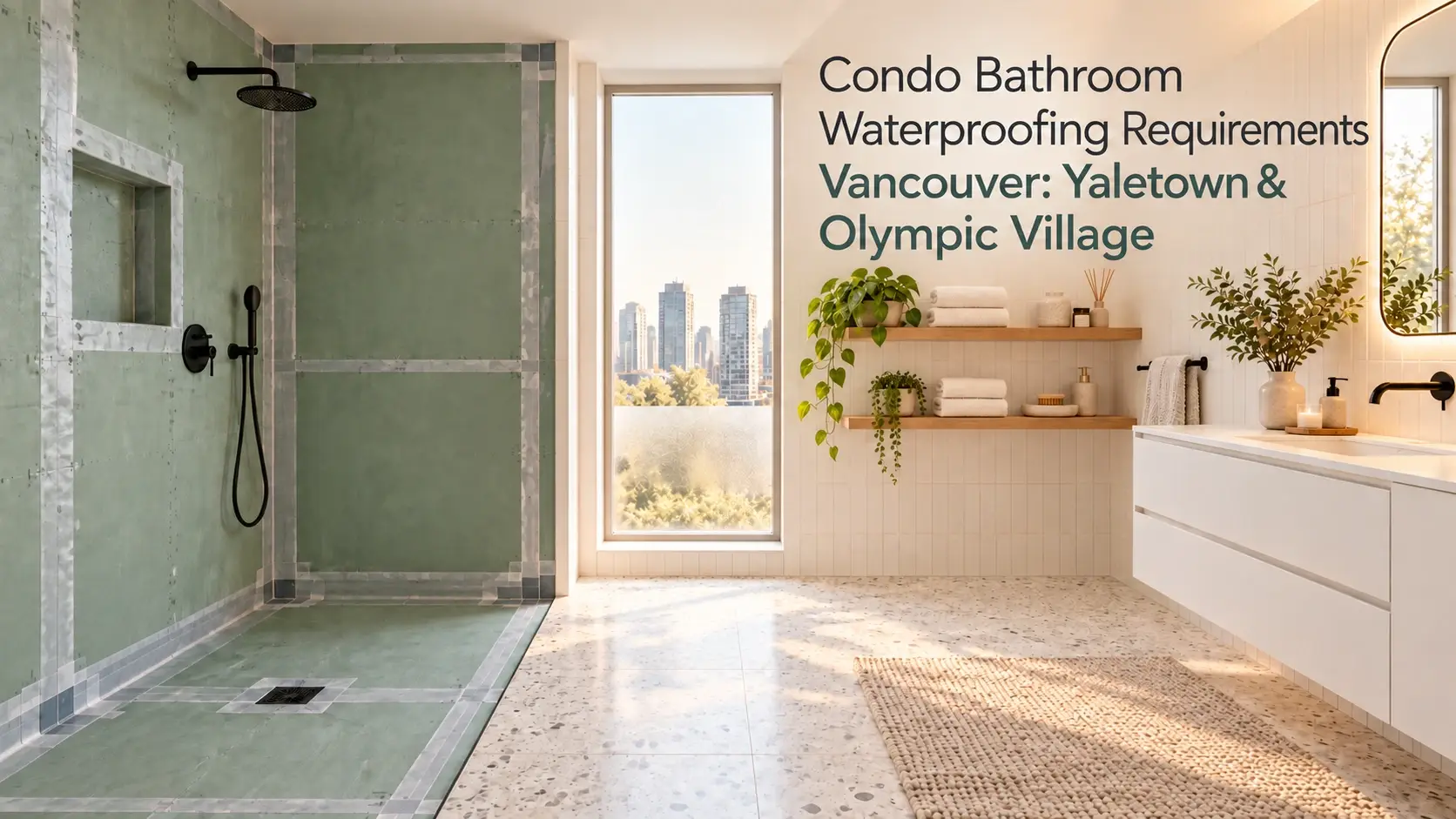
Answer: Waterproofing is critical to prevent future moisture damage. Membrane systems such as bonded systems like Schluter Kerdi, sheet membranes, or liquid-applied membranes should be used behind tile and in the shower pan. Shower pan slope should be a minimum of 1:4 to the drain. Linear drains require additional substrate preparation and proper waterproofing beneath. Every shower wall, shower floor, and niche requires complete waterproofing – not just at the obvious points.
How 4 Local Homes Handles This: 4 Local Homes specifies and inspects waterproofing at every critical point – shower floors, shower walls, niches, curbs, and transitions. Proper waterproofing is treated as one of the most important phases of the project because long-term quality depends entirely on what happens behind the finished surface.
How do I prevent mold, moisture problems, and poor ventilation after renovation?
Answer: A quiet exhaust fan is essential for controlling humidity and preventing mold. Vancouver’s wet climate requires high-quality ventilation in bathrooms – fans should be properly sized (minimum 50 CFM, with additional capacity based on bathroom size), ducted to the exterior (not into the attic or wall cavity), and ideally connected to a humidity-sensing switch. Use moisture-resistant backer board in wet areas, waterproof drywall where appropriate, and maintain proper sealant and grout joints.
How 4 Local Homes Handles This: 4 Local Homes develops a comprehensive moisture management plan for every bathroom renovation – including fan sizing, duct routing, material selection, and waterproofing – to ensure the finished bathroom handles Vancouver’s humidity without developing problems.
Do I need to upgrade my bathroom exhaust fan?
Answer: If your current fan is underpowered, noisy, not routed properly to the exterior, or simply old, upgrading is strongly recommended. A modern, properly sized fan with insulated ducting and a straight duct path reduces moisture effectively and operates quietly. Fan capacity should be matched to bathroom size and shower type.
How 4 Local Homes Handles This: 4 Local Homes assesses existing ventilation during the planning phase and recommends fan upgrades when the current system is inadequate. Duct routing, fan capacity, and installation are coordinated with the electrical plan.
What type of tile is best for a bathroom floor or shower?
Answer: High-quality porcelain tiles mimic stone at lower costs and offer low water absorption, making them ideal for Vancouver bathrooms. Large-format or rectified-edge tiles create a premium look but require a flatter substrate. Natural stone is beautiful but needs regular sealing and higher maintenance. Smaller mosaic tiles on shower floors help with slope transitions and provide better slip resistance. Tile complexity – pattern, size, layout – affects both material cost and tile labour. Anti-slip ratings are important for shower floors. The tile installer should be experienced with the specific tile type and pattern selected.
How 4 Local Homes Handles This: 4 Local Homes guides homeowners through tile selection based on performance, aesthetics, maintenance requirements, and budget. The team coordinates with experienced tile installers who understand the substrate preparation, waterproofing integration, and installation precision required for each tile type.
Should I buy my own fixtures, tile, vanity, lighting, and accessories?
Answer: Homeowner-sourced materials offer more control over selection and potentially lower costs. However, the trade-offs include possible compatibility issues with waterproofing and plumbing rough-ins, lead-time delays that affect the schedule, and warranty complications. Contractor-supplied materials are typically integrated into the schedule and guaranteed for fit. If buying your own, ensure compatibility with the new fixtures, plumbing rough-ins, and shower pan dimensions. Shopping around for fixtures can lead to significant savings, but coordination with your contractor is essential.
How 4 Local Homes Handles This: 4 Local Homes accommodates both approaches. When homeowners source their own materials, the team reviews selections for compatibility with the project design and coordinates delivery timing with the construction schedule. When homeowners prefer guidance, 4 Local Homes provides sourcing recommendations and manages procurement.
What materials and fixtures should be selected before the bathroom renovation starts?
Answer: Before construction begins, finalize: tile for floors, walls, and shower; shower base or pan; glass enclosure type and dimensions; vanity and countertop (including new vanity style – floating vanities, custom vanities, or standard cabinetry); lighting fixtures; exhaust fan; faucets and shower head; and accessories. Long-lead items – custom glass, custom cabinetry, specialty tile, natural materials – must be ordered well in advance. Rough-in work includes installing new plumbing and electrical systems, and rough-in locations must match the selected fixtures precisely.
How 4 Local Homes Handles This: 4 Local Homes manages a material timeline that ensures all selections are finalized and long-lead items are ordered before demolition begins. This coordination prevents the construction delays that commonly occur when materials arrive late or selections change mid-project.
Common Challenges and Solutions
Even well-planned bathroom renovations encounter challenges. Understanding Vancouver-specific risks – and having strategies to manage them – protects your timeline, budget, and peace of mind.
Hidden Water Damage and Structural Issues
Older Vancouver homes often conceal plumbing issues that need to be addressed during renovations, and many owners ultimately choose broader home remodels in Vancouver to tackle multiple spaces at once. When walls come down, you may discover mould, rotted framing, deteriorated pipes, or evidence of previous unpermitted work. The solution: budget 15–20% contingency, document any damage discovered, discuss repair options and costs with your contractor before proceeding, and never cover up problems. DIY tasks like painting can reduce labour costs on some elements, but structural and moisture issues require professional assessment.
Strata Approval Delays and Building Access Complications
Strata approval processes vary by building and can take two to six weeks. Start strata communication early – submit complete documentation packages, coordinate elevator bookings, and ensure your contractor understands and complies with building-specific rules. Many homeowners underestimate how building logistics affect scheduling in Vancouver’s condo market.
Permit Processing and Inspection Coordination Issues
Submit permit applications well ahead of your anticipated start date through Vancouver’s ePlan portal. Use experienced contractors who understand permit submission requirements and inspection scheduling. Delays in permit processing or failed inspections extend timelines and increase costs if trades must return.
Material Delays and Supply Chain Disruptions
Custom glass enclosures, natural stone, large-format tiles, and specialty fixtures can take several weeks to months for delivery. Plan ahead – order materials during the design phase, not after demolition. Having materials on site before construction begins prevents idle time and wasted labour costs.
Cost Overruns and Scope Creep
Define the project scope clearly in the contract. Any changes should be documented through written change orders with agreed pricing before additional work proceeds. Maintain your contingency budget and track costs regularly. Clear scope definition and disciplined change management are the most effective tools for keeping a bathroom renovation on budget.
Final Thoughts Before Starting a Bathroom Renovation in Vancouver
Good bathroom renovation planning helps prevent unclear pricing, permit problems, strata delays, poor waterproofing, material delays, layout mistakes, and stressful surprises. A bathroom renovation is a significant investment – and the work you do before demolition begins is just as important as the construction itself.
Your next steps should include:
Define your scope and renovation goals – comfort, resale value, or long-term function
Establish a realistic budget with proper contingency for your specific project
Research permit requirements and strata bylaws if applicable
Begin preliminary material selection for long-lead items
Interview contractors with relevant Vancouver bathroom renovation experience
If you are considering related projects – such as kitchen renovations, whole-home upgrades, or ongoing maintenance – the planning principles are similar: define scope, establish budget, verify requirements, and select the right team before work begins, ideally with home improvement professionals who manage projects end-to-end.
Planning a bathroom renovation in Vancouver? Contact 4 Local Homes to discuss your bathroom renovation goals, project scope, timeline, and next steps. The team helps Vancouver homeowners review the scope, understand the process, and plan properly before construction begins.