

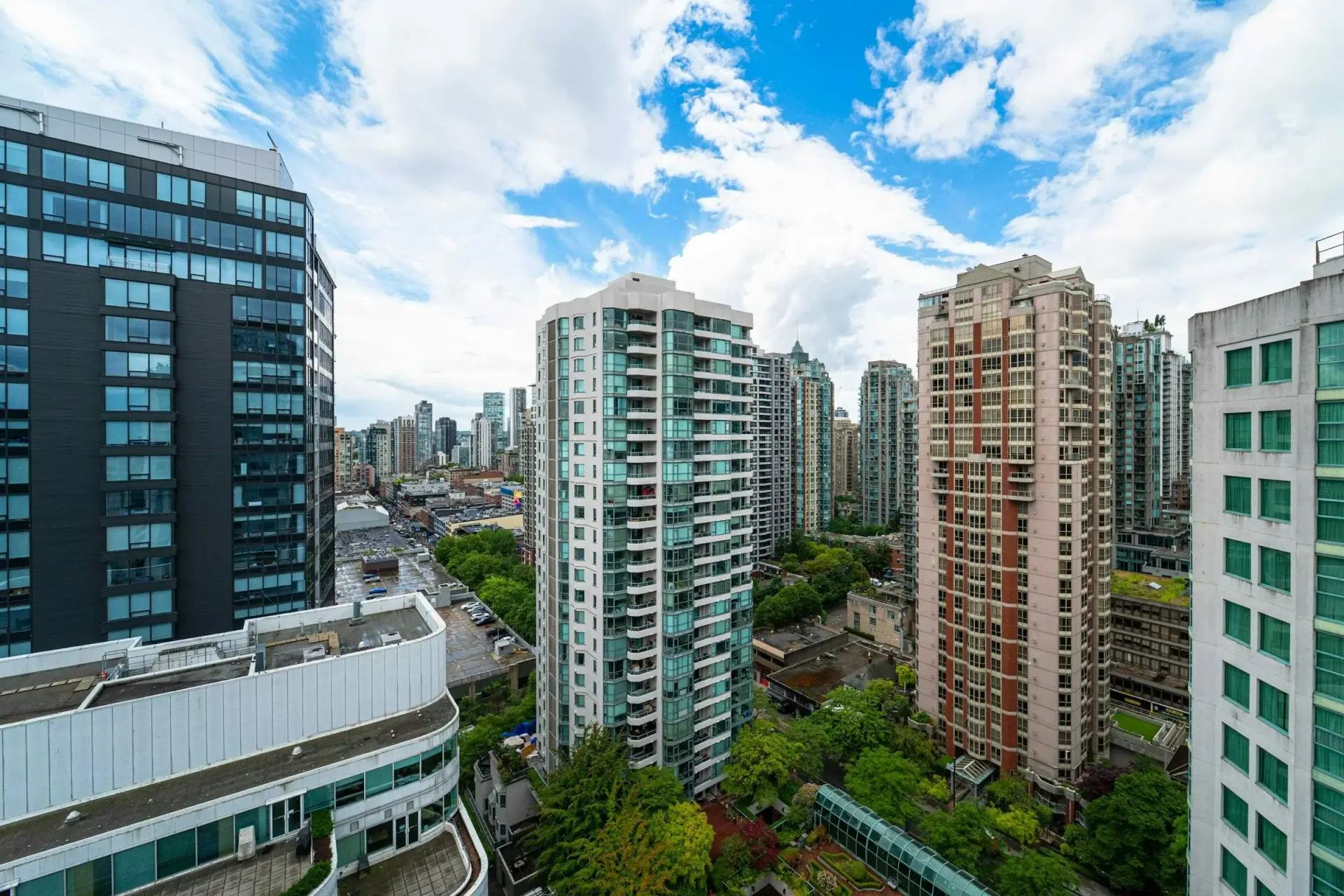
Introduction
If you are planning a condo renovation in Vancouver, the most important thing to know before you start is that a successful project depends on planning, building approval, and proper coordination – not just construction. Before demolition begins, you should understand your budget, strata rules, renovation forms, elevator bookings, building access, flooring requirements, permit considerations, material selections, timeline, and contractor process.
A condo renovation is not only about choosing finishes. It involves strata communication, building access, elevator bookings, demolition, disposal, noise control, plumbing work, electrical upgrades, flooring requirements, kitchen or bathroom planning, trade scheduling, and proper protection of shared spaces. Renovating a condo in Vancouver requires careful planning due to strict regulations – and skipping any of these steps can lead to costly mistakes, strata delays, or budget overruns.
This guide from 4 Local Homes answers the most common questions Vancouver condo owners ask when preparing for a condo renovation. Whether you are considering a condo kitchen renovation, a condo bathroom update, new flooring, or a full unit overhaul in Coal Harbour, Yaletown, the West End, Kitsilano, or anywhere across Vancouver BC, this article gives you the planning framework you need before work begins and explains how our home improvement professionals approach complex renovation projects.
After reading this guide, you will understand:
How strata approval works and what documentation your strata corporation will expect
Realistic condo renovation costs and budget planning for Vancouver in 2026
How to evaluate and select a qualified professional contractor for condo renovation projects
What municipal permits and building codes apply to your renovation work
How to plan timelines, coordinate building logistics, and avoid the most common renovation pitfalls

Starting the Condo Renovation Planning Process
Before contacting renovation contractors or selecting materials, Vancouver condo owners should establish clear goals, understand their building’s rules, and prepare a realistic project framework. The questions below cover the essential first steps.
I’m planning a condo renovation in Vancouver. What should I know before I start?
Answer: You should know that condo renovations are fundamentally different from house renovations. In a condo building, you share building systems – plumbing stacks, electrical panels, HVAC shafts, fire safety infrastructure, and the building envelope – with other owners. That means your renovation work affects, and is affected by, the larger building. Strata bylaws dictate work hours and elevator access for renovations. In Vancouver, plans usually must be approved by strata councils before renovation work begins. You also need to understand permit requirements from the City of Vancouver, flooring acoustic standards, material lead times, and building access logistics.
Condo renovation costs can be 15% to 25% higher than single-family homes due to elevator bookings, restricted work hours, hallway protection, damage deposits, and the complexity of working within shared building systems.
How 4 Local Homes Handles This: 4 Local Homes begins every Vancouver condo renovation with a comprehensive planning review – including a strata bylaw assessment, building access evaluation, scope definition, budget framework, and timeline projection – so homeowners understand the full picture before any commitment is made.
How do I know if I need a full condo renovation or just a simple condo update?
Answer: This depends on the condition of your condo unit, your goals, and your budget. A simple update might include repainting, replacing cabinet hardware, updating light fixtures, or refreshing a powder room. A full condo renovation typically involves gutting the kitchen, replacing one bathroom or more, installing new flooring throughout, updating electrical and plumbing, and potentially modifying the layout.
If your condo was built before 1990, older buildings may have outdated wiring, galvanized pipes, or materials containing asbestos – which often pushes a simple refresh into a major renovation once walls are opened. Obtaining copies of base building plans is crucial for planning, as they reveal what is behind walls and under floors before demolition begins.
How 4 Local Homes Handles This: 4 Local Homes conducts a detailed pre-renovation assessment to help condo owners determine the right scope. This includes reviewing existing conditions, identifying potential hidden issues in older Vancouver buildings, and providing honest guidance about whether a targeted update or a full renovation best serves the owner’s goals and budget.
What should I decide before I contact a condo renovation contractor?
Answer: Before reaching out to a general contractor, you should clarify your renovation goals (comfort, resale value, rental return, or long-term function), establish a preliminary budget range, identify which rooms you want to renovate, and review your strata bylaws for renovation rules. You should also decide whether you plan to live in the condo unit during the renovation work or relocate temporarily.
How 4 Local Homes Handles This: 4 Local Homes provides a structured initial consultation that helps condo owners organize their priorities, establish a realistic scope, and understand what information to gather before the planning process moves forward.
How do I create a realistic condo renovation plan before demolition begins?
Answer: A realistic plan starts with understanding your building’s constraints – strata requirements, elevator bookings, work hour restrictions, and building system limitations. From there, define your scope room by room, establish material preferences, and build a budget that includes all costs: construction, materials, building logistics, permits, and contingency.
Planning modular units helps navigate tight spaces during renovations, especially in smaller Vancouver condos where every square foot matters. A contingency fund of 10% to 20% should be added to the renovation budget to cover unexpected discoveries.
How 4 Local Homes Handles This: 4 Local Homes creates detailed project plans that include scope definitions, material selections, strata submission timelines, trade scheduling, building coordination requirements, and contingency allowances – all before work begins.
What are the biggest mistakes I should avoid when planning a condo renovation?
Answer: The most common mistakes Vancouver condo owners make include:
Underestimating costs, which leads to budget overruns
Disregarding condo association rules, which can delay your project by weeks or months
Failing to obtain necessary permits, which can result in legal issues and fines
Skimping on quality, which can compromise long-term durability
Ignoring legal guidelines, which can lead to costly fines and orders to undo completed work
Starting construction before receiving written strata approval
Choosing flooring products that do not meet acoustic requirements
How 4 Local Homes Handles This: 4 Local Homes has managed renovation projects across most Vancouver buildings and uses that experience to help condo owners avoid these pitfalls. The team reviews strata bylaws, confirms permit needs, verifies material compliance, and establishes clear communication protocols before any demolition begins.
Should I renovate my condo for comfort, resale value, rental value, or long-term function?
Answer: Your motivation shapes every decision – from material quality to layout changes. If you are renovating for resale value, focus on kitchens, bathrooms, and flooring, as these deliver the strongest return. If you are staying long-term, prioritize functionality, storage, and design features that improve daily life. For rental properties, durability and low-maintenance finishes tend to matter most.
Built-in cabinetry can maximize storage in small condos, and using vertical space can enhance storage capacity – both of which appeal to buyers, renters, and owners alike.
How 4 Local Homes Handles This: 4 Local Homes discusses renovation goals during the initial consultation and helps condo owners align their scope, materials, and budget with their specific objectives – whether that is creating a dream kitchen for personal enjoyment, preparing a unit for sale, or maximizing rental return.
How do I know what renovation style is right for my Vancouver condo?
Answer: Your design direction should reflect both personal taste and practical constraints. A condo in a modern glass tower in Coal Harbour or Yaletown may suit a contemporary minimalist approach with clean lines and custom millwork. A character unit in the West End or Mount Pleasant may call for design details that complement existing architectural features while modernizing function.
Working with experienced interior designers or a principal designer who understands Vancouver condo constraints can help you develop a cohesive vision that works within your building’s limitations and your budget.
How 4 Local Homes Handles This: 4 Local Homes offers interior design and design services as part of its renovation process, helping condo owners develop a style direction that is both aesthetically cohesive and practically buildable within their specific condo building.
Should I renovate my condo all at once or complete the work in phases?
Answer: In most cases, completing a condo renovation all at once is more cost-effective and less disruptive. Each phase of renovation work requires separate strata approval, elevator bookings, building protection setup, and trade mobilization – all of which add cost and time when repeated.
However, if budget constraints require phasing, it is better to plan the phases strategically so that earlier work does not need to be undone or protected during later phases. For example, completing plumbing work and electrical upgrades before flooring installation prevents damage to new finishes.
How 4 Local Homes Handles This: 4 Local Homes helps condo owners evaluate whether a phased or full renovation makes more sense based on their budget, building rules, strata coordination timeline, and living situation – and creates a phased plan that minimizes redundant costs if phasing is the better path.
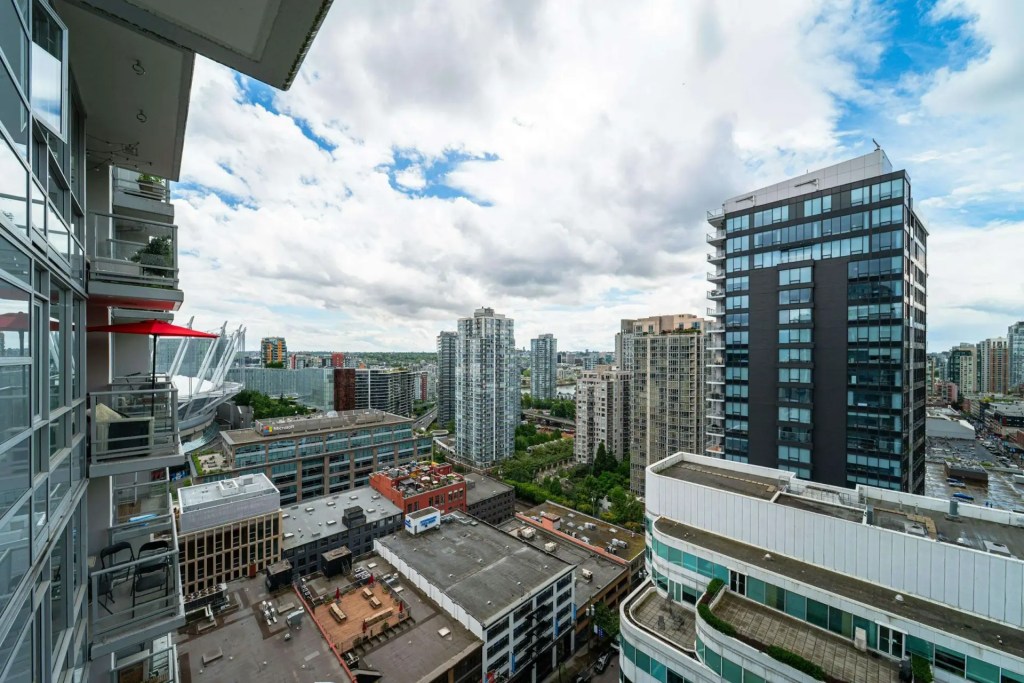
Condo Renovation Cost and Budget Questions
Understanding Vancouver condo renovation costs requires looking beyond material and labour prices. Building logistics, strata requirements, and access restrictions all affect the bottom line.
How much should I budget for a condo renovation in Vancouver?
Answer: The renovation cost for condos in Vancouver typically ranges from $50,000 to over $250,000, depending on scope, finishes, and building complexity. Here are typical 2026 cost ranges:
|
Renovation Type |
Typical Cost Range |
|---|---|
|
Condo kitchen renovation (mid-range) |
$18,000–$55,000 |
|
Condo bathroom project |
$18,000–$35,000 |
|
Flooring + paint refresh (1BR, ~600 sq ft) |
$8,000–$18,000 |
|
Full condo update (kitchen + bath + flooring) |
$50,000–$150,000+ |
|
Luxury/custom gut renovation |
$200,000–$400,000+ |
|
Renovation costs in Vancouver range from $75 to $300+ per square foot. Base level renovations cost $200 to $280 per square foot, while high-level renovations can exceed $500 per square foot for luxury finishes, custom millwork, and premium materials. |
How 4 Local Homes Handles This: 4 Local Homes provides detailed, itemized cost estimates that break down every component – materials, labour, building logistics, strata-related costs, permits, and contingency – so condo owners can see exactly where their budget is going.
Why do condo renovation costs vary so much from one contractor to another?
Answer: Variation usually comes from differences in scope interpretation, material quality assumptions, labour rates, building logistics inclusion, and what is left out of the estimate. A lower quote may exclude strata-related costs like elevator bookings, hallway protection, damage deposits, acoustic underlayment, permit fees, or engineering assessments. Requirements vary significantly between buildings, and a contractor unfamiliar with your specific condo building may underestimate the true cost.
How 4 Local Homes Handles This: 4 Local Homes includes all building-related costs in its estimates – including elevator booking fees, common area protection, strata documentation preparation, and disposal logistics – so there are no surprise additions after the project starts.
What should be included in a proper condo renovation quote?
Answer: A proper condo renovation quote should clearly describe scope, inclusions, exclusions, material allowances, strata-related responsibilities, building protection, disposal, payment schedule, change order process, and warranty expectations. It should also specify who handles strata submissions, elevator bookings, permit applications, and inspections.
How 4 Local Homes Handles This: Every 4 Local Homes quote includes a comprehensive scope document with line-item detail, clear material allowances, strata coordination responsibilities, timeline expectations, payment milestones, and a defined process for handling change orders if scope adjustments arise during construction.
What costs are often missing from a condo renovation estimate?
Answer: Common hidden costs in Vancouver condo renovations include:
Acoustic underlayment for flooring: adds $2–$5 per square foot
Elevator booking fees: $200–$500 per day
Hallway and common area protection: $300–$800+
Engineering letters for plumbing or structural changes: $500–$2,500+
Labour premium for building access and restricted hours: often 10–20% above comparable house renovation work
Permit fees and inspection costs
How 4 Local Homes Handles This: 4 Local Homes identifies all building-specific costs during the planning phase and includes them in the project budget from the start, preventing the mid-project surprises that lead to budget overruns.
How much extra money should I keep aside for unexpected condo renovation costs?
Answer: A contingency fund of 10% to 20% should be added to the renovation budget. For older buildings built before the 1990s – common in the West End, Fairview, and Kerrisdale – contingency may need to be as high as 20–25% to account for potential asbestos abatement, outdated plumbing, insufficient electrical panel capacity, or other hidden conditions discovered during demolition.
How 4 Local Homes Handles This: 4 Local Homes recommends contingency amounts based on building age, construction type, and renovation scope. Contingency funds are managed transparently, with any expenditure requiring homeowner approval and documentation.
How do I know if a condo renovation quote is too low?
Answer: If a quote is significantly lower than others, it likely omits critical items – building logistics, proper materials, licensed trades, strata coordination, or adequate labour time. Ignoring permit requirements can lead to costly fines, and cutting corners on waterproofing, electrical, or structural work creates long-term liability. A quote that seems too good to be true usually is.
How 4 Local Homes Handles This: 4 Local Homes helps condo owners compare quotes by identifying what each estimate includes and excludes, ensuring the comparison is apples-to-apples rather than based on headline price alone.
Should I choose a fixed-price condo renovation quote or a time-and-materials estimate?
Answer: Fixed-price contracts provide budget certainty but require a well-defined scope. Time-and-materials contracts offer flexibility but can lead to cost uncertainty. For most condo renovation projects where the scope is clearly defined, a fixed-price contract with a defined change order process provides the best balance of predictability and fairness.
How 4 Local Homes Handles This: 4 Local Homes typically works with fixed-price contracts that include a detailed scope document, clear material specifications, and a transparent change order process – giving condo owners cost certainty while maintaining flexibility for legitimate scope changes.
What payment schedule should I expect for a condo renovation project?
Answer: A typical condo renovation payment schedule includes a deposit (usually 10–15% of the contract value), progress payments tied to project milestones (such as demolition complete, rough-in complete, cabinetry installed), and a final holdback released upon completion and walkthrough. Be cautious of any contractor requesting more than 50% of the total before the project is substantially underway.
How 4 Local Homes Handles This: 4 Local Homes uses milestone-based payment schedules tied to clearly defined stages of completion, so payments align with actual progress on the renovation.

Condo Renovation Contractor and Company Questions
Choosing the right renovation contractors is one of the most consequential decisions in the renovation process. In a condo environment, the stakes are higher because the contractor’s conduct affects your neighbours, your strata corporation, and your building’s common areas.
How do I choose the right condo renovation contractor in Vancouver?
Answer: Look for a professional contractor or general contractor with specific experience in Vancouver condo renovations – not just home renovation in general. Key factors include navigating strata bylaws and managing high-rise logistics. The contractor should understand strata approval processes, building access protocols, elevator bookings, work hour restrictions, acoustic flooring requirements, and the coordination challenges unique to condo buildings.
Ask for references from similar projects in similar buildings. A contractor experienced with concrete buildings in Downtown Vancouver will have different knowledge than one who primarily works on houses in West Van or has focused on kitchen renovation projects in West Vancouver or other suburban areas.
How 4 Local Homes Handles This: 4 Local Homes has completed condo renovation projects across Vancouver’s diverse building stock – from luxury high-rises in Coal Harbour and Yaletown to older concrete buildings in Fairview, South Granville, and Mount Pleasant – and brings building-specific experience to every project.
How do I know if a condo renovation company is properly licensed and insured?
Answer: Verify that the contractor holds a valid Vancouver business licence, carries comprehensive liability insurance, and is registered with WorkSafeBC. Many strata corporations require the contractor’s insurance policy to name the strata as an additional insured party. Strata may require damage deposits and specific contractor qualifications before granting renovation approval.
How 4 Local Homes Handles This: 4 Local Homes maintains all required licensing, insurance, and WorkSafeBC coverage and proactively provides these documents as part of the strata submission package – saving condo owners the back-and-forth of collecting credentials separately.
Should I ask for WorkSafeBC coverage before hiring a condo renovation contractor?
Answer: Yes. WorkSafeBC registration protects you from liability if a worker is injured on your property. Most strata corporations in Vancouver require proof of WorkSafeBC coverage as part of the renovation approval process. A contractor without this coverage puts you at legal and financial risk.
How 4 Local Homes Handles This: 4 Local Homes provides WorkSafeBC clearance letters as a standard part of every strata submission, ensuring compliance with both strata requirements and provincial regulations.
Who will actually manage my condo renovation from start to finish?
Answer: This varies significantly between companies. Some renovation contractors assign a dedicated project manager; others rely on the business owner to manage multiple projects simultaneously. For condo renovation projects, having a single point of contact who coordinates trades, manages building logistics, communicates with strata, and keeps the homeowner informed is essential.
How 4 Local Homes Handles This: 4 Local Homes assigns a dedicated project lead to every condo renovation who manages all day-to-day coordination – including trade scheduling, strata communication, elevator bookings, material deliveries, and homeowner updates.
Will the contractor use employees, subcontractors, or licensed trades for my project?
Answer: Most Vancouver condo renovations involve a combination of the contractor’s own team and qualified tradespeople – licensed electricians, plumbers, and gas fitters. This is normal and appropriate, as trade permits must be pulled by licensed professionals. What matters is that the general contractor takes full responsibility for coordinating and supervising all trades on site.
How 4 Local Homes Handles This: 4 Local Homes works with a consistent team of trusted, licensed trades who are familiar with Vancouver condo building requirements and strata rules, ensuring quality and coordination across all disciplines.
How do I know if the contractor has experience with condos similar to mine?
Answer: Ask specifically about experience in your building type – glass towers, concrete buildings, or older character buildings. Ask about strata coordination experience, elevator logistics, and acoustic flooring installations. A contractor who has worked in most Vancouver buildings will understand the differences between a 2015 glass tower in Olympic Village and a 1975 concrete high-rise in the West End.
How 4 Local Homes Handles This: 4 Local Homes provides project references and portfolio examples from buildings similar to the client’s condo, demonstrating relevant experience with comparable building types, strata rules, and renovation scopes.
Should I ask to see past condo renovation projects before making a decision?
Answer: Yes. Reviewing completed condo renovation projects – not just photos, but details about scope, building type, and challenges encountered – gives you insight into the contractor’s quality, problem-solving ability, and experience level. Ask about projects that involved strata coordination, building system challenges, or timeline constraints.
How 4 Local Homes Handles This: 4 Local Homes shares detailed project case studies with prospective clients, including scope, design details, building challenges, and how strata coordination and building logistics were managed.
What red flags should I watch for before hiring a condo renovation contractor?
Answer: Warning signs include: no business licence, no WorkSafeBC coverage, unwillingness to provide references, vague or incomplete quotes, requests for large upfront payments, no written contract, reluctance to discuss strata requirements, and no experience with condo-specific construction projects. Also be wary of contractors who claim permits are unnecessary without reviewing the scope.
How 4 Local Homes Handles This: 4 Local Homes encourages prospective clients to ask tough questions and provides all documentation – licensing, insurance, references, detailed quotes, and contract terms – upfront and without hesitation.

Strata Approval and Building Rules for Condo Renovations
Strata approval is one of the most distinctive aspects of renovating a condo compared to a house. Strict adherence to BC’s Strata Property Act is necessary during condo renovations, and understanding how your strata corporation operates will save you significant time and frustration.
Do I need strata approval before renovating my condo in Vancouver?
Answer: Yes. Condo renovations often require strata approval before starting work. Strata councils typically require written approval before starting renovations. This applies to any work that impacts the structure, common property, building systems, or when installing hard flooring. Even cosmetic changes like flooring replacement may require approval if they affect acoustic performance or common property elements.
Strata approval is required before starting renovations – this cannot be overstated. Common property elements cannot be altered without strata consent, and proceeding without approval can result in fines, orders to reverse the work, and liability issues that affect future resale.
How 4 Local Homes Handles This: 4 Local Homes prepares complete strata alteration application packages on behalf of condo owners, including contractor credentials, product specifications, acoustic test reports, work schedules, building protection plans, and insurance certificates – ensuring submissions are thorough and reducing the likelihood of delays.
What documents will my strata or building manager usually ask for?
Answer: Documentation requirements vary by building, but in many cases strata corporations require:
Detailed renovation scope and floor plans
Contractor business licence and liability insurance (naming strata as additional insured)
WorkSafeBC clearance letter
Product specifications, especially flooring with IIC and STC acoustic ratings
Proposed timeline, work hours, and noise mitigation measures
Building access and material delivery plan
Engineering or structural assessment if walls are being modified or plumbing relocated
How 4 Local Homes Handles This: 4 Local Homes maintains a building-specific checklist for strata submissions across Vancouver and assembles all required documentation before the owner needs to approach their strata council, streamlining the approval process.
How long can strata approval take before a condo renovation starts?
Answer: Strata councils typically take 4–6 weeks to approve renovation applications. Since strata councils typically meet monthly to review renovation applications, incomplete submissions can push approval back by an additional month. Having all documentation ready before submitting is critical to avoiding delays.
How 4 Local Homes Handles This: 4 Local Homes submits strata packages well in advance of the planned construction start date and follows up with building management to track application status, ensuring the approval timeline aligns with the overall project schedule.
What renovation rules do Vancouver condo buildings usually have?
Answer: Strata rules often restrict construction noise to weekdays only, typically between 8:00 AM and 5:00 PM, though specific hours vary by building. Vancouver’s Noise Control Bylaw 6555 permits construction noise Monday–Friday 7:30 AM–8:00 PM and Saturdays 10:00 AM–8:00 PM, with no construction noise allowed on Sundays or holidays. However, strata bylaws often impose stricter limitations than the municipal bylaw.
Most buildings also require hallway protection, elevator interior protection, daily cleanup of common areas, and advance scheduling of material deliveries and debris removal.
How 4 Local Homes Handles This: 4 Local Homes reviews each building’s specific work hour restrictions, access restrictions, and protection requirements before creating the project schedule, ensuring full compliance with both strata bylaws and municipal regulations.
How do elevator bookings affect my condo renovation schedule?
Answer: Elevator bookings and contractor access must be coordinated for high-rise renovations. Many condo buildings charge $200–$500 per day for dedicated elevator use, and availability may be limited to specific windows. Large items like kitchen cabinets, countertops, and bathtubs require elevator reservations, and missed bookings can delay the project by days or weeks.
Timelines for condo renovations can be affected by strata coordination, including elevator availability, which must be factored into the project schedule from the beginning.
How 4 Local Homes Handles This: 4 Local Homes coordinates all elevator bookings, material delivery scheduling, and debris removal timing with building management as part of the project management process, preventing schedule disruptions caused by access logistics.
How will my contractor protect hallways, elevators, lobbies, and common areas?
Answer: Responsible renovation contractors install protective coverings on hallway floors, walls, elevator interiors, and door frames before any construction materials or debris move through the building. This typically includes floor runners, wall padding, corner guards, and elevator blankets. Many strata corporations require a damage deposit – often $250–$500 – that is refundable if no damage occurs.
How 4 Local Homes Handles This: 4 Local Homes installs comprehensive building protection before any work begins and maintains it throughout the project, conducting daily inspections of common area conditions and ensuring cleanup is completed at the end of each work day.
Can my strata stop or delay my condo renovation?
Answer: Yes. A strata council can deny or delay a renovation application if documentation is incomplete, if the proposed work does not comply with strata bylaws, or if the materials do not meet acoustic or other building standards. Strata approval does not replace municipal permits for structural changes – both are required independently. Disputes over renovation scope or compliance can result in significant delays.
How 4 Local Homes Handles This: 4 Local Homes works proactively with strata councils to address potential concerns before they become formal objections, often engaging building management early in the process to identify and resolve issues before the application is formally reviewed.
What should I know about renovation work hours in a condo building?
Answer: Construction noise is regulated by both municipal bylaw and strata rules. The City of Vancouver allows construction noise Monday–Friday 7:30 AM–8:00 PM and Saturdays 10:00 AM–8:00 PM. Strata bylaws often set stricter windows – commonly weekdays 8:00 AM–5:00 PM with limited or no Saturday work. These work hour restrictions directly affect project duration: a renovation that might take three weeks in a house can take four to five weeks in a condo because of compressed work days.
How 4 Local Homes Handles This: 4 Local Homes builds strata-compliant work hour limitations into every project schedule, ensuring realistic timeline expectations and trade coordination that accounts for the actual available work hours in each building.
Vancouver Permit, Plumbing, and Electrical Questions
Understanding when proper permits are required – and when they are not – helps condo owners avoid legal issues and ensure their renovation work meets building codes.
Do I need a permit for my condo renovation in Vancouver?
Answer: Municipal permits are needed for structural changes and plumbing, electrical, mechanical, or gas modifications. Building permits are required when altering structural elements, modifying interior walls that are load-bearing, changing the layout, or relocating plumbing. Trade permits – electrical, plumbing, and mechanical – are required when work touches those systems.
Purely cosmetic work such as repainting, replacing existing cabinets in the same location, or non-structural trim may not require municipal permits – but strata may still require approval depending on bylaws.
Permits ensure compliance with safety standards and building codes. Once a permit is issued, work must begin within six months or the permission lapses.
How 4 Local Homes Handles This: 4 Local Homes identifies all required permits during the planning phase, coordinates trade permit applications with licensed subtrades, and ensures all documentation is submitted through the City’s ePlans system with complete packages to avoid rejection delays.
Who is responsible for handling condo renovation permits and inspections?
Answer: The general contractor or the licensed trade performing the work is typically responsible for pulling the appropriate permits and scheduling required inspections. Renovations often require inspections at various project stages if permits are involved – including rough-in inspections for plumbing and electrical before walls are closed. The homeowner should confirm permit responsibility in the contract before work begins.
How 4 Local Homes Handles This: 4 Local Homes manages the full permit process – from application to final inspection – and coordinates inspection scheduling to minimize project delays.
Do I need a plumbing permit if I move a sink, toilet, shower, bathtub, dishwasher, or kitchen plumbing?
Answer: Yes, in most cases. Any relocation of plumbing fixtures, addition of new water supply or drain lines, or modification of existing plumbing systems requires a plumbing permit from the City of Vancouver. In a condo, plumbing work is particularly complex because plumbing stacks often run vertically through multiple units, and relocating fixtures on a concrete slab may require engineering approval and careful coordination with the strata corporation.
How 4 Local Homes Handles This: 4 Local Homes works with licensed plumbers experienced in condo-specific plumbing challenges, including concrete slab modifications, vertical stack coordination, and shut-off scheduling with building management.
Do I need an electrical permit if I add lighting, outlets, heated floors, appliances, or panel changes?
Answer: Yes. Any new electrical work – including additional outlets, lighting circuits, heated floor installations, appliance connections, or panel upgrades – requires an electrical permit and must be performed by a licensed electrician. In older buildings, electrical panel capacity may be limited (some still have 60-amp panels), which can constrain what is possible without a panel upgrade.
How 4 Local Homes Handles This: 4 Local Homes assesses electrical capacity early in the planning process and coordinates panel evaluations with licensed electricians to determine what electrical upgrades are feasible within the building’s infrastructure.
Can I renovate my condo without permits if I keep the same layout?
Answer: If your renovation is purely cosmetic – new paint, cabinet refacing or full cabinet replacement in existing locations, new countertops, updated fixtures in existing plumbing locations, and flooring replacement without system modifications – municipal permits may not be required. However, strata approval may still be necessary, especially for flooring changes that affect acoustics. The line between permit-required and permit-exempt work should be clarified before work begins.
How 4 Local Homes Handles This: 4 Local Homes reviews every renovation scope against both City of Vancouver permit requirements and strata bylaws to determine exactly what approvals are needed, eliminating ambiguity before construction starts.
What can happen if my condo renovation is done without the required permits?
Answer: Ignoring permit requirements can lead to costly fines from the City of Vancouver. Beyond fines, unpermitted work may need to be removed or exposed for inspection, adding significant cost and delay. Unpermitted structural changes, electrical upgrades, or plumbing work can also create liability issues during resale, insurance claims, or future building assessments. The strata corporation may also impose its own penalties or require reversal of unauthorized work.
How 4 Local Homes Handles This: 4 Local Homes never proceeds with work that requires a permit without obtaining it first. The team explains permit requirements clearly during the planning phase so homeowners understand the legal and financial risks of non-compliance.
Condo Design, Layout, and Functionality Questions
Design decisions in a condo must balance aesthetic goals with structural realities, building system constraints, and strata rules.
Can I change the layout of my condo during the renovation?
Answer: In many cases, yes – but it depends on which walls are structural, where building systems run, and what your strata corporation allows. Structural changes require engineering assessments, building permits, and strata approval. Non-load-bearing interior walls can often be removed or relocated to create more open floor plans, such as connecting a kitchen to a dining room or living area.
How 4 Local Homes Handles This: 4 Local Homes evaluates layout change feasibility during the design phase, identifies load-bearing walls versus non-structural partitions, and coordinates engineering assessments when structural modifications are proposed.
Can I remove walls in my Vancouver condo?
Answer: Non-load-bearing interior walls can typically be removed with strata approval. Load-bearing walls require a structural engineer’s assessment, a building permit, and strata consent. In concrete buildings, some walls may contain building systems – electrical conduit, plumbing lines, or HVAC components – that complicate removal even if the wall is not structurally critical.
How 4 Local Homes Handles This: 4 Local Homes conducts thorough assessments before proposing wall removals and manages the engineering, permit, and strata approval process for any structural changes.
Can I move my kitchen, bathroom, laundry, or plumbing locations in a condo?
Answer: Technically possible but often very expensive in a condo building. Plumbing stacks run vertically through multiple floors, and relocating fixtures away from existing drain and supply lines – especially on a concrete slab – requires significant engineering, permits, and strata approval. Moving plumbing also increases risk to units below and may affect fire and water barriers. The further you move from existing connections, the higher the cost.
How 4 Local Homes Handles This: 4 Local Homes evaluates plumbing relocation feasibility early in the design process, provides realistic cost assessments for proposed changes, and advises on whether modifications are practical given the building’s construction type and strata requirements.
How can I make a small condo feel larger and more functional?
Answer: Design strategies that maximize the feeling of space include open-concept layouts where structurally possible, consistent flooring throughout (eliminating visual breaks between rooms), integrated storage solutions, lighter colour palettes, and strategic lighting design. Larger windows or improved sightlines to existing windows can dramatically change how spacious a condo feels.
Reclaiming dead space can create additional storage without altering the footprint – for example, building storage into formerly unused areas above kitchen cabinets, in hallway walls, or within bedroom closet configurations.
How 4 Local Homes Handles This: 4 Local Homes incorporates space-optimization strategies into every condo renovation design, using interior design expertise to create layouts and storage solutions that make smaller Vancouver condos feel significantly more open and functional.
How can I add more storage without making my condo feel crowded?
Answer: Custom millwork can optimize space in tight condo layouts – floor-to-ceiling cabinetry, built-in wardrobes, and integrated shelving are all effective approaches. Using vertical space enhances storage capacity without consuming floor area. In kitchens, a thoughtful cabinet replacement strategy with taller uppers or pull-out organizers can dramatically increase usable storage.
How 4 Local Homes Handles This: 4 Local Homes designs custom storage solutions tailored to each condo’s specific dimensions and the homeowner’s storage needs, incorporating built-in cabinetry, custom millwork, and smart organizational systems into the renovation design.
Should I work with an interior designer before starting my condo renovation?
Answer: For major renovation projects or full condo renovations, working with interior designers can help ensure cohesive design, functional layouts, appropriate material selections, and efficient use of space. A principal designer or interior design professional who understands condo constraints can also help navigate the balance between aesthetic ambition and practical building limitations.
How 4 Local Homes Handles This: 4 Local Homes integrates design services into the renovation planning process, offering in-house design expertise or collaborating with the homeowner’s chosen designer to ensure design intent translates smoothly into buildable construction plans.
Condo Kitchen, Bathroom, and Flooring Renovation Questions
Kitchen, bathroom, and flooring renovations are the most common condo renovation projects in Vancouver – and each comes with specific considerations in a strata environment.
What should I know before renovating a condo kitchen in Vancouver?
Answer: A condo kitchen renovation involves far more than selecting finishes. Condo kitchen renovations range from $18,000 to $55,000 depending on scope, building complexity, and material quality. Key considerations include:
Layout planning: Moving plumbing or gas lines requires permits and strata approval. Keeping the sink and dishwasher near existing connections saves significantly on cost.
Cabinets: Lead times for kitchen cabinets – whether stock, semi-custom, or custom – typically run 4–6 weeks, and longer for custom orders. A full cabinet replacement versus cabinet refacing affects both cost and timeline.
Countertops: Quartz and engineered stone require templating after cabinets are installed, adding 1–2 weeks to the timeline.
Ventilation: Range hood ducting in a condo may be limited by building duct systems, affecting what type of ventilation is possible.
Delivery logistics: Elevator bookings for cabinet and countertop delivery must be coordinated with building management.
Whether you are building a dream kitchen in a Yaletown high-rise or updating a galley kitchen in a Kitsilano walk-up, the planning fundamentals are the same, especially when you treat the space as a full kitchen renovation that addresses layout, systems, and safety rather than just a cosmetic update.
How 4 Local Homes Handles This: 4 Local Homes manages every aspect of condo kitchen renovations – from initial layout design and material selection through cabinet ordering, plumbing and electrical coordination, building logistics, and final installation – ensuring all that comes together on a realistic timeline.
What should I know before renovating a condo bathroom in Vancouver?
Answer: Condo bathroom projects cost $18,000–$35,000 in Vancouver, depending on size, scope, and finishes. Bathroom renovations involve critical waterproofing requirements – the membrane system under tile must be properly installed to prevent water damage to units below. Key considerations include:
Waterproofing: This is non-negotiable in any condo bathroom renovation. Failure can result in water damage to lower units and significant liability.
Plumbing: Moving shower, bathtub, or toilet locations requires permits and strata coordination.
Ventilation: Bathroom exhaust fan systems may connect to shared building ducts, limiting modification options.
Hidden conditions: Older buildings may reveal water damage, mould, or deteriorated subfloor once tile is removed.
Fixture selection: Options range from standard tub/shower combinations to walk-in showers, steam shower systems, or standalone soaking tubs. A powder room refresh costs significantly less than a full bathroom gut.
How 4 Local Homes Handles This: 4 Local Homes follows rigorous waterproofing protocols in every condo bathroom renovation, conducts careful demolition to assess hidden conditions early, and coordinates all plumbing and ventilation work with building system requirements.
Can I replace flooring in my condo, and what does strata usually require?
Answer: Yes, but with important restrictions. Concrete buildings in Vancouver mandate specific soundproofing requirements for flooring. Many strata require specific acoustic underlayment ratings for flooring changes. Acoustic flooring requirements often mandate an STC of 66 or higher, and Impact Insulation Class (IIC) typically ranges from 65 to 70+, depending on the building.
Strata councils typically require written approval before any flooring installation begins, including documentation of the specific product’s acoustic test results. Installing flooring that does not meet the required ratings can result in orders to remove and replace it – at the homeowner’s expense.
How 4 Local Homes Handles This: 4 Local Homes verifies each building’s specific acoustic requirements before recommending flooring products, works with manufacturers to obtain certified test reports, and ensures written strata confirmation is received before any flooring installation begins.
What type of flooring is best for a Vancouver condo?
Answer: The best flooring depends on your building’s acoustic requirements, your design preferences, and your budget:
|
Flooring Type |
Pros |
Cons |
|---|---|---|
|
Engineered hardwood |
Premium appearance, warm feel, strong resale value |
Higher cost, requires acoustic underlay, moisture-sensitive |
|
Luxury Vinyl Plank (LVP) |
Waterproof, durable, lower cost, good acoustic options |
May look less premium in luxury settings |
|
Porcelain/ceramic tile |
Excellent for bathrooms, waterproof, durable |
Cold underfoot, requires careful acoustic underlayment on concrete |
|
Installed flooring cost with acoustic underlayment typically runs $6–$14 per square foot depending on material choice. Engineered hardwood remains the preferred choice in luxury condos across Coal Harbour and Yaletown, while LVP offers excellent performance and value for broader applications. |
How 4 Local Homes Handles This: 4 Local Homes helps condo owners select flooring that meets their building’s strata requirements, aligns with their design vision, and fits within their budget – then manages the approval, preparation, and installation process from start to finish.
What materials and finishes should be selected before my condo renovation starts?
Answer: All major materials – cabinetry, countertops, flooring, tile, plumbing fixtures, lighting, and appliances – should be selected and ordered before demolition begins. Lead times for premium materials like custom cabinetry, stone countertops, imported tile, and specialty fixtures remain significant in 2026 and can add weeks to a project if not planned in advance.
Material selections also affect strata submissions. Flooring products need acoustic ratings confirmed, and certain other forms of material documentation may be required by building management.
How 4 Local Homes Handles This: 4 Local Homes creates a comprehensive material selection schedule early in the planning process, coordinating orders with lead times to ensure everything arrives when needed – preventing the construction delays that result from waiting on materials mid-project.
Can I live in my condo during the renovation?
Answer: For smaller projects like a flooring refresh or single-room update, living in the condo unit may be manageable with some inconvenience. For full condo renovations involving kitchen demolition, bathroom gutting, or work in multiple rooms simultaneously, living elsewhere is strongly recommended. Dust, noise, lack of functioning kitchen or bathroom facilities, and construction debris make occupancy impractical and sometimes unsafe during a major renovation.
How 4 Local Homes Handles This: 4 Local Homes advises condo owners on whether staying or relocating makes sense based on the specific scope, provides realistic timelines to help plan temporary housing if needed, and takes all reasonable steps to minimize disruption when homeowners choose to stay.
Common Challenges and Solutions
Even well-planned Vancouver condo renovations can encounter obstacles. Here are the most common challenges and how to prevent or manage them.
Strata Approval Delays
Submit complete documentation packages early with all required contractor credentials, product specifications, and building access plans. Engage your strata council proactively and allow 6–8 weeks for the approval process. Incomplete submissions are the most common cause of delays, as strata councils typically meet monthly to review renovation applications – a missed meeting means waiting another full month.
Flooring Acoustic Compliance Issues
Verify strata acoustic requirements – including IIC and STC ratings – before product selection and purchase. Use approved underlayment systems and obtain written strata confirmation before installation begins. Choosing the cheapest flooring option without verifying acoustic compliance is one of the most expensive mistakes a condo owner can make, as non-compliant flooring may need to be completely removed and replaced.
Unexpected Building System Conflicts
Conduct thorough pre-renovation assessments of plumbing, electrical, and structural conditions. In older buildings – particularly those built before 1990 – budget 20–25% contingency for hidden conditions including asbestos, deteriorated plumbing, insufficient electrical capacity, or moisture damage, similar to the planning required for full home remodels in character homes in Victoria, BC. Obtaining copies of base building plans is crucial for planning and helps identify potential issues before demolition begins.
Contractor Communication Breakdowns
Choose renovation contractors experienced with Vancouver condo renovations and strata requirements. Establish clear communication protocols for building access, progress updates, change orders, and issue resolution before work begins. The best protection against communication failures is a detailed contract and a contractor who has managed similar condo renovation projects in comparable Vancouver buildings.
Final Thoughts Before Starting a Condo Renovation in Vancouver
A successful Vancouver condo renovation starts long before the first hammer swing. Proper planning helps prevent unclear pricing, strata delays, elevator booking problems, permit issues, flooring approval setbacks, material delays, layout mistakes, poor coordination, and stressful surprises. The renovation process in a condo building demands more preparation, more coordination, and more patience than a typical home renovation – but the results are well worth it when the project is planned and executed properly.
Your immediate next steps:
Review your strata bylaws and identify renovation approval requirements specific to your building
Define your renovation scope – which rooms, what level of finish, and whether layout changes are desired
Establish a preliminary budget with appropriate contingency based on your building’s age and construction type
Research and interview renovation contractors with specific Vancouver condo renovation experience
Begin material research early to understand lead times for cabinets, countertops, flooring, and fixtures
Related considerations that affect your planning include permit requirements for any plumbing work or electrical upgrades, heritage considerations in designated areas, energy efficiency upgrades including heat pump installations, and whether your renovation goals align with comfort, resale value, or rental optimization.
How 4 Local Homes Helps: 4 Local Homes helps Vancouver condo owners navigate every stage of the renovation process – from initial scope review and strata approval preparation through building coordination, material selection, trade management, and project completion. Whether you are planning a condo kitchen renovation in a Downtown Vancouver tower, updating a condo bathroom in Fairview, or undertaking a full condo renovation in Arbutus Ridge or Dunbar, 4 Local Homes provides the planning expertise, building knowledge, and project management that condo renovation projects demand.
Planning a condo renovation in Vancouver? Contact 4 Local Homes to discuss your condo renovation goals, project scope, strata requirements, timeline, and next steps.
Additional Resources
Strata renovation approval checklist: Before submitting your application, confirm you have contractor licensing, liability insurance naming the strata as additional insured, WorkSafeBC clearance, detailed scope documents, product acoustic certifications, proposed work schedule, and a building access plan.
Permit guidance: The City of Vancouver building permit page outlines requirements for structural, plumbing, electrical, and mechanical permit applications submitted through ePlans.
Acoustic flooring specifications: Verify your building’s required IIC and STC ratings before selecting products. Most Vancouver strata corporations require IIC 65 or higher; some newer buildings require IIC 70+. Request certified acoustic test reports from flooring manufacturers.
Contractor vetting questions: Ask about Vancouver business licensing, WorkSafeBC registration, condo-specific experience, strata coordination process, references from comparable projects, contract terms, change order procedures, and warranty coverage.


